Buy news247.eu ?
We are moving the project
news247.eu .
Are you interested in purchasing the domain
news247.eu ?
domain@kv-gmbh.de · 0541-91531010
Buy news247.eu ?
What are residual-current devices and individual fuses?
Residual-current devices (RCDs) are safety devices designed to quickly disconnect a circuit when they detect a leakage of current, which could be caused by a fault or electric shock. They are used to prevent electric shocks and fires by cutting off the power supply. Individual fuses, on the other hand, are protective devices that are designed to interrupt the circuit when there is an overload or short circuit, preventing damage to electrical equipment and potential fires. Both RCDs and individual fuses play crucial roles in ensuring electrical safety in homes and buildings. **
"Are the residual-current devices and fuses staying inside?"
Yes, the residual-current devices and fuses are staying inside. These safety devices are designed to remain in place to protect the electrical system from overloads and short circuits. It is important to ensure that they are properly installed and functioning correctly to maintain the safety of the electrical system. **
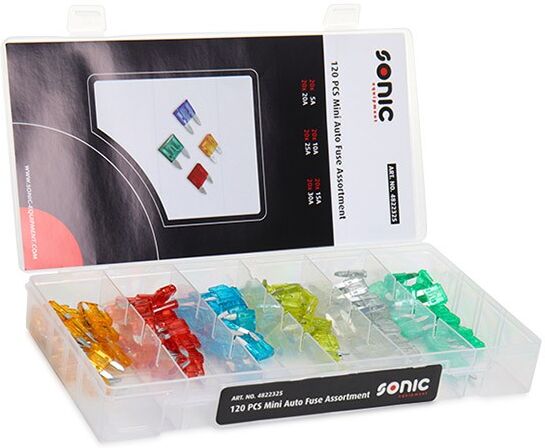
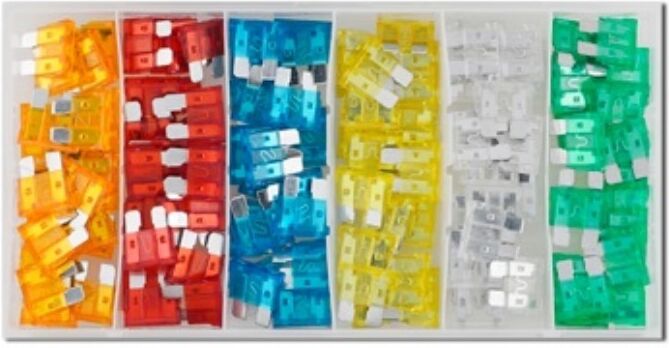
Similar search terms for Fuses
Top-Angebote
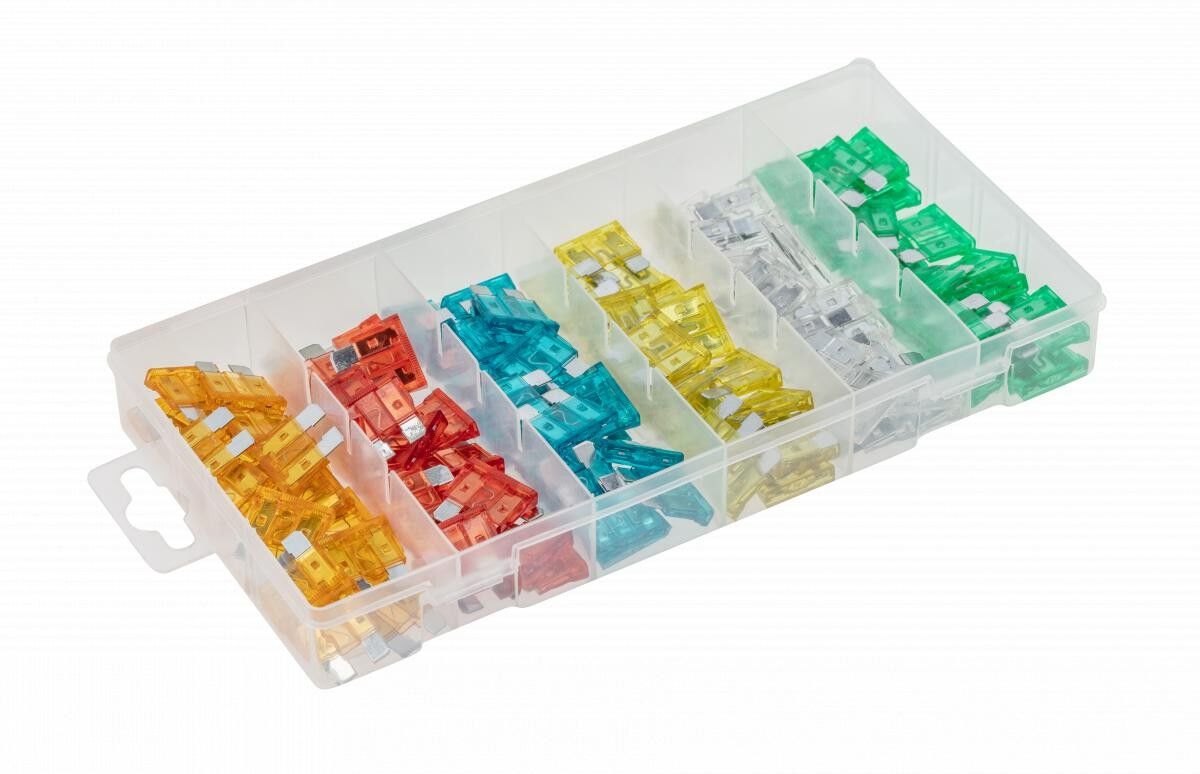
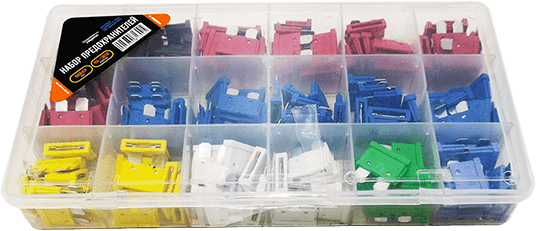
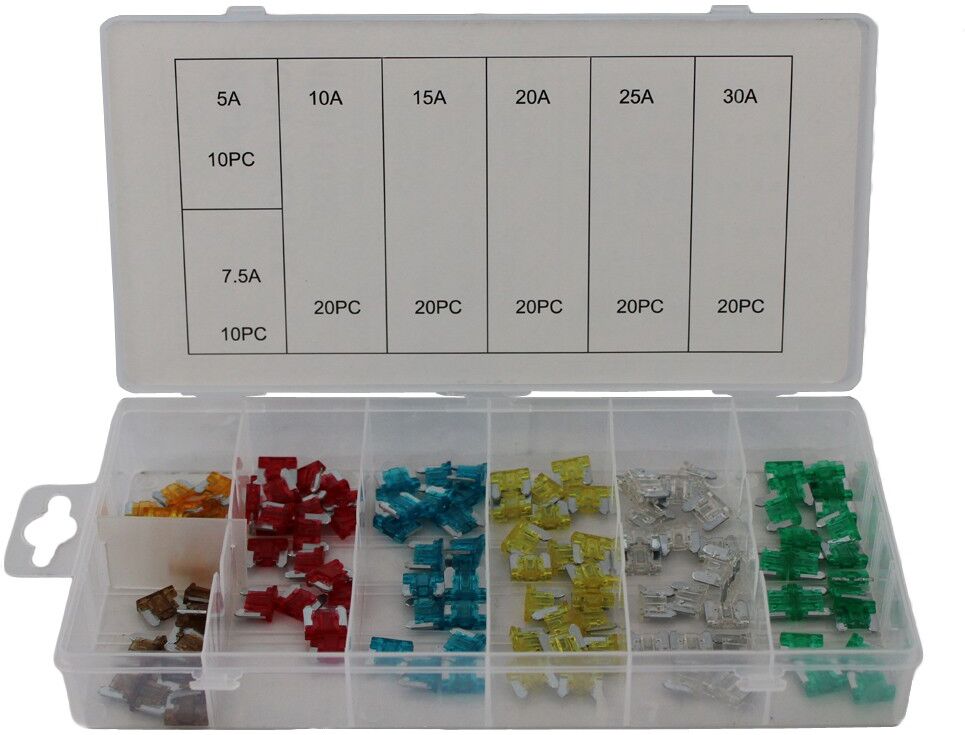
Products related to Fuses:

-
Do the residual-current devices and fuses stay inside?
Residual-current devices (RCDs) and fuses are typically installed inside electrical panels or distribution boards to protect the electrical circuits and equipment. They are designed to detect abnormal currents and disconnect the power supply to prevent electrical hazards. Therefore, they should remain inside the electrical panel or distribution board to effectively provide protection and ensure the safety of the electrical system. **
-
Are the residual-current devices and fuses staying inside?
Residual-current devices (RCDs) and fuses are typically installed inside electrical panels or distribution boards to protect the electrical circuits and equipment. They are designed to stay inside these enclosures to ensure they function properly and provide the necessary protection against electrical faults and overloads. It is important to keep RCDs and fuses securely in place to maintain the safety and efficiency of the electrical system. **
-
Are the residual-current devices and fuses still in place?
Yes, the residual-current devices and fuses are still in place. These safety devices are essential for protecting against electrical hazards such as short circuits and overloads. It is important to regularly check and maintain these devices to ensure they are functioning properly and providing the necessary protection for the electrical system. **
-
What are fine fuses?
Fine fuses are small, delicate devices used in electrical circuits to protect against overcurrent. They are designed to break the circuit when the current exceeds a certain threshold, preventing damage to the circuit or equipment. Fine fuses are commonly used in electronic devices, automotive applications, and other sensitive electrical systems where precise protection is required. **

Are the fuses defective?
Without more specific information, it is difficult to determine if the fuses are defective. It would be helpful to know if the fuses are blowing frequently, if there are any visible signs of damage, or if there are any other electrical issues occurring. It may be necessary to test the fuses with a multimeter to determine if they are functioning properly. If there are concerns about the fuses, it may be best to consult with a professional electrician to assess the situation. **
What are B16 fuses?
B16 fuses are a type of electrical fuse that is designed to protect electrical circuits from overcurrent. The "B" in B16 refers to the physical size and shape of the fuse, while the "16" indicates the rated current capacity of the fuse, which in this case is 16 amperes. These fuses are commonly used in residential and commercial electrical systems to prevent damage to equipment and wiring caused by excessive current. When the current exceeds the rated capacity of the fuse, it will melt and interrupt the circuit, preventing further damage. **
Top-Angebote
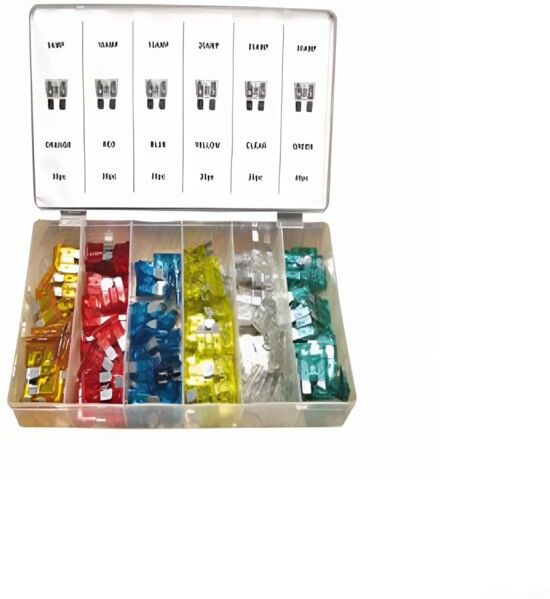
Products related to Fuses:
-
What are residual-current devices and individual fuses?
Residual-current devices (RCDs) are safety devices designed to quickly disconnect a circuit when they detect a leakage of current, which could be caused by a fault or electric shock. They are used to prevent electric shocks and fires by cutting off the power supply. Individual fuses, on the other hand, are protective devices that are designed to interrupt the circuit when there is an overload or short circuit, preventing damage to electrical equipment and potential fires. Both RCDs and individual fuses play crucial roles in ensuring electrical safety in homes and buildings. **
-
"Are the residual-current devices and fuses staying inside?"
Yes, the residual-current devices and fuses are staying inside. These safety devices are designed to remain in place to protect the electrical system from overloads and short circuits. It is important to ensure that they are properly installed and functioning correctly to maintain the safety of the electrical system. **
-
Do the residual-current devices and fuses stay inside?
Residual-current devices (RCDs) and fuses are typically installed inside electrical panels or distribution boards to protect the electrical circuits and equipment. They are designed to detect abnormal currents and disconnect the power supply to prevent electrical hazards. Therefore, they should remain inside the electrical panel or distribution board to effectively provide protection and ensure the safety of the electrical system. **
-
Are the residual-current devices and fuses staying inside?
Residual-current devices (RCDs) and fuses are typically installed inside electrical panels or distribution boards to protect the electrical circuits and equipment. They are designed to stay inside these enclosures to ensure they function properly and provide the necessary protection against electrical faults and overloads. It is important to keep RCDs and fuses securely in place to maintain the safety and efficiency of the electrical system. **
Similar search terms for Fuses
-
Current Softflex Dark Blue Grill Cover For Current Model G and Model G 2.0Protect your investment with the Ocean Colored Current Softflex Cover. It is lightweight yet built to withstand the elements and custom sized to fit your Current grill or griddle. Machine washable, and made to last and stylish.99,99 $*Shipping: 0,00 $Secure redirect to the provider
-
Are the residual-current devices and fuses still in place?
Yes, the residual-current devices and fuses are still in place. These safety devices are essential for protecting against electrical hazards such as short circuits and overloads. It is important to regularly check and maintain these devices to ensure they are functioning properly and providing the necessary protection for the electrical system. **
-
What are fine fuses?
Fine fuses are small, delicate devices used in electrical circuits to protect against overcurrent. They are designed to break the circuit when the current exceeds a certain threshold, preventing damage to the circuit or equipment. Fine fuses are commonly used in electronic devices, automotive applications, and other sensitive electrical systems where precise protection is required. **
-
Are the fuses defective?
Without more specific information, it is difficult to determine if the fuses are defective. It would be helpful to know if the fuses are blowing frequently, if there are any visible signs of damage, or if there are any other electrical issues occurring. It may be necessary to test the fuses with a multimeter to determine if they are functioning properly. If there are concerns about the fuses, it may be best to consult with a professional electrician to assess the situation. **
-
What are B16 fuses?
B16 fuses are a type of electrical fuse that is designed to protect electrical circuits from overcurrent. The "B" in B16 refers to the physical size and shape of the fuse, while the "16" indicates the rated current capacity of the fuse, which in this case is 16 amperes. These fuses are commonly used in residential and commercial electrical systems to prevent damage to equipment and wiring caused by excessive current. When the current exceeds the rated capacity of the fuse, it will melt and interrupt the circuit, preventing further damage. **
* All prices are inclusive of VAT and, if applicable, plus shipping costs. The offer information is based on the details provided by the respective shop and is updated through automated processes. Real-time updates do not occur, so deviations can occur in individual cases. ** Note: Parts of this content were created by AI.