Buy news247.eu ?
We are moving the project
news247.eu .
Are you interested in purchasing the domain
news247.eu ?
domain@kv-gmbh.de · 0541-91531010
Buy news247.eu ?
What is consumed in electrical current?
In electrical current, the flow of electric charge is consumed. This flow of charge, typically carried by electrons, is what powers electrical devices and systems. As the charge moves through a circuit, it can be used to perform work, such as lighting a bulb or powering a motor. The consumption of electrical current is what allows for the transfer of energy and the operation of electrical devices. **
What is the difference between electrical voltage and voltage, as well as between electrical current and current?
Electrical voltage refers to the potential difference between two points in an electrical circuit, measured in volts. Voltage, on the other hand, is a more general term that can refer to potential difference in any context, not just in electrical circuits. Similarly, electrical current refers to the flow of electric charge in a circuit, measured in amperes. Current, on the other hand, is a more general term that can refer to the flow of anything, not just electric charge. **


Similar search terms for Electrical
Top-Angebote
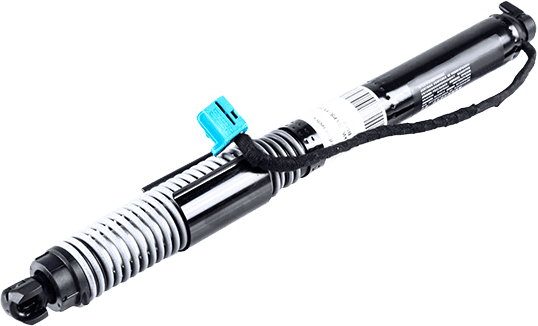
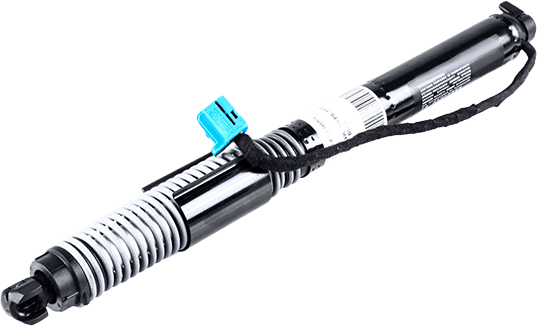
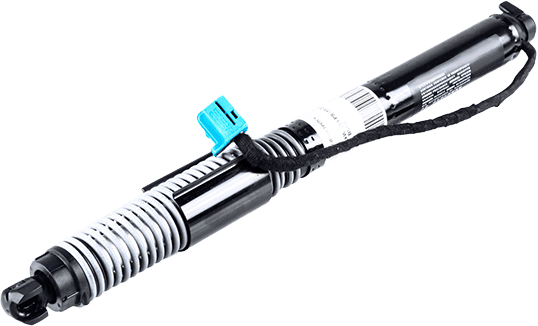
Products related to Electrical:

-
Is current lost in an electrical circuit?
Yes, current is not lost in an electrical circuit. According to Kirchhoff's first law, the total current entering a junction must equal the total current leaving the junction. This means that the current remains constant throughout a closed loop in an electrical circuit. Any change in current is due to the components in the circuit, such as resistors or capacitors, that either impede or facilitate the flow of current. **
-
What is alternating current in electrical engineering?
Alternating current (AC) is a type of electrical current in which the flow of electric charge periodically reverses direction. This means that the voltage and current in an AC circuit change direction and magnitude over time, typically following a sinusoidal waveform. AC is the most common type of electrical current used in power distribution systems and is preferred for long-distance transmission due to its ability to be easily converted to different voltage levels using transformers. In electrical engineering, understanding AC is crucial for designing and analyzing power systems, motors, and other electrical devices. **
-
What is direct current in electrical engineering?
Direct current (DC) is a type of electrical current that flows in one direction only, without changing its polarity. In electrical engineering, direct current is often used in electronic devices and power transmission systems. It is typically produced by sources such as batteries, solar cells, and rectifiers, and is commonly used in applications where a steady and constant flow of electricity is required, such as in electronic circuits and certain types of motors. **
-
How do undoped semiconductors conduct electrical current?
Undoped semiconductors conduct electrical current through the movement of charge carriers, which can be either electrons or holes. At absolute zero temperature, the semiconductor is an insulator and no current can flow. However, as the temperature increases, some electrons gain enough energy to break free from their atoms and become mobile charge carriers, allowing current to flow. Additionally, at room temperature, some electrons from the valence band can be excited to the conduction band, leaving behind holes which can also contribute to the conduction of current. **

What is electric current, electrical energy, and charge?
Electric current is the flow of electric charge through a conductor, measured in amperes. Electrical energy is the energy transferred by the flow of electric charge, measured in joules. Charge is a fundamental property of matter that determines how it will interact with electric and magnetic fields, measured in coulombs. **
How do you calculate current in electrical engineering?
In electrical engineering, current is calculated using Ohm's Law, which states that current (I) is equal to the voltage (V) divided by the resistance (R), or I = V/R. This formula allows engineers to determine the amount of current flowing through a circuit based on the voltage applied and the resistance of the circuit. By rearranging the formula, engineers can also calculate voltage or resistance if current and one of the other variables are known. Additionally, engineers can use Kirchhoff's current law to calculate the total current entering and leaving a node in a circuit. **
Top-Angebote
Products related to Electrical:
-
Graef Silver Electrical Slicer SK111The Graef Silver Electrical Slicer SK111 effortlessly glides through meats, cheeses and vegetables for professional grade food from the comfort of your kitchen. This slicer has a compact design, made to sit nicely on your countertop or tuck away easily into your kitchen cupboards. The blade is made from robust stainless steel with a serrated edge for durability. It has built in safety features including a switch-on guard to prevent your young one from accidentally switching it on, as well as a plate that fits over the blade to prevent cuts when not in use. A food holder is included to avoid slicing your fingers when fine-slicing. Measurements: 34.3 (H) x 23.7 (W) x 25.2 (L) cm.199,00 £*Shipping: 0,00 £Secure redirect to the provider
-
What is consumed in electrical current?
In electrical current, the flow of electric charge is consumed. This flow of charge, typically carried by electrons, is what powers electrical devices and systems. As the charge moves through a circuit, it can be used to perform work, such as lighting a bulb or powering a motor. The consumption of electrical current is what allows for the transfer of energy and the operation of electrical devices. **
-
What is the difference between electrical voltage and voltage, as well as between electrical current and current?
Electrical voltage refers to the potential difference between two points in an electrical circuit, measured in volts. Voltage, on the other hand, is a more general term that can refer to potential difference in any context, not just in electrical circuits. Similarly, electrical current refers to the flow of electric charge in a circuit, measured in amperes. Current, on the other hand, is a more general term that can refer to the flow of anything, not just electric charge. **
-
Is current lost in an electrical circuit?
Yes, current is not lost in an electrical circuit. According to Kirchhoff's first law, the total current entering a junction must equal the total current leaving the junction. This means that the current remains constant throughout a closed loop in an electrical circuit. Any change in current is due to the components in the circuit, such as resistors or capacitors, that either impede or facilitate the flow of current. **
-
What is alternating current in electrical engineering?
Alternating current (AC) is a type of electrical current in which the flow of electric charge periodically reverses direction. This means that the voltage and current in an AC circuit change direction and magnitude over time, typically following a sinusoidal waveform. AC is the most common type of electrical current used in power distribution systems and is preferred for long-distance transmission due to its ability to be easily converted to different voltage levels using transformers. In electrical engineering, understanding AC is crucial for designing and analyzing power systems, motors, and other electrical devices. **
Similar search terms for Electrical
-
What is direct current in electrical engineering?
Direct current (DC) is a type of electrical current that flows in one direction only, without changing its polarity. In electrical engineering, direct current is often used in electronic devices and power transmission systems. It is typically produced by sources such as batteries, solar cells, and rectifiers, and is commonly used in applications where a steady and constant flow of electricity is required, such as in electronic circuits and certain types of motors. **
-
How do undoped semiconductors conduct electrical current?
Undoped semiconductors conduct electrical current through the movement of charge carriers, which can be either electrons or holes. At absolute zero temperature, the semiconductor is an insulator and no current can flow. However, as the temperature increases, some electrons gain enough energy to break free from their atoms and become mobile charge carriers, allowing current to flow. Additionally, at room temperature, some electrons from the valence band can be excited to the conduction band, leaving behind holes which can also contribute to the conduction of current. **
-
What is electric current, electrical energy, and charge?
Electric current is the flow of electric charge through a conductor, measured in amperes. Electrical energy is the energy transferred by the flow of electric charge, measured in joules. Charge is a fundamental property of matter that determines how it will interact with electric and magnetic fields, measured in coulombs. **
-
How do you calculate current in electrical engineering?
In electrical engineering, current is calculated using Ohm's Law, which states that current (I) is equal to the voltage (V) divided by the resistance (R), or I = V/R. This formula allows engineers to determine the amount of current flowing through a circuit based on the voltage applied and the resistance of the circuit. By rearranging the formula, engineers can also calculate voltage or resistance if current and one of the other variables are known. Additionally, engineers can use Kirchhoff's current law to calculate the total current entering and leaving a node in a circuit. **
* All prices are inclusive of VAT and, if applicable, plus shipping costs. The offer information is based on the details provided by the respective shop and is updated through automated processes. Real-time updates do not occur, so deviations can occur in individual cases. ** Note: Parts of this content were created by AI.