Buy news247.eu ?
We are moving the project
news247.eu .
Are you interested in purchasing the domain
news247.eu ?
domain@kv-gmbh.de · 0541-91531010
Buy news247.eu ?
What is an open circuit in an alternating current circuit?
An open circuit in an alternating current circuit is a break in the circuit that prevents the flow of current. This break can be caused by a disconnected wire, a switch that is turned off, or a component that has failed. When an open circuit occurs, the circuit is incomplete, and no current can flow through it. This results in no power being delivered to the load or device connected to the circuit. **
Which residual-current circuit breaker?
The residual-current circuit breaker, also known as an RCCB, is a device designed to quickly disconnect a circuit when it detects an imbalance in the flow of electricity. This imbalance could be caused by a fault in the circuit or by current leakage, which could pose a risk of electric shock or fire. RCCBs are an important safety feature in electrical systems, providing protection against electrical hazards and ensuring the safety of individuals and property. **

Similar search terms for Circuit
Top-Angebote
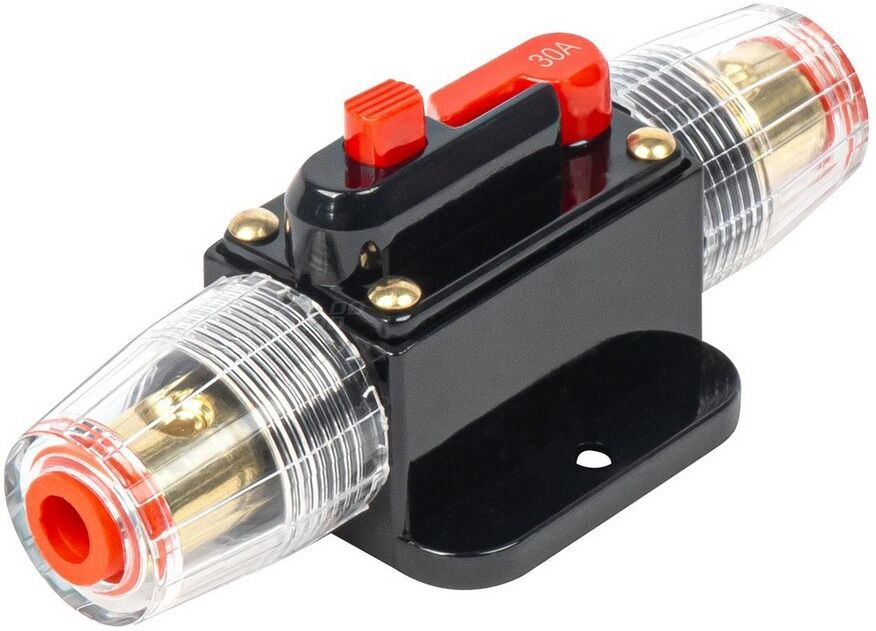
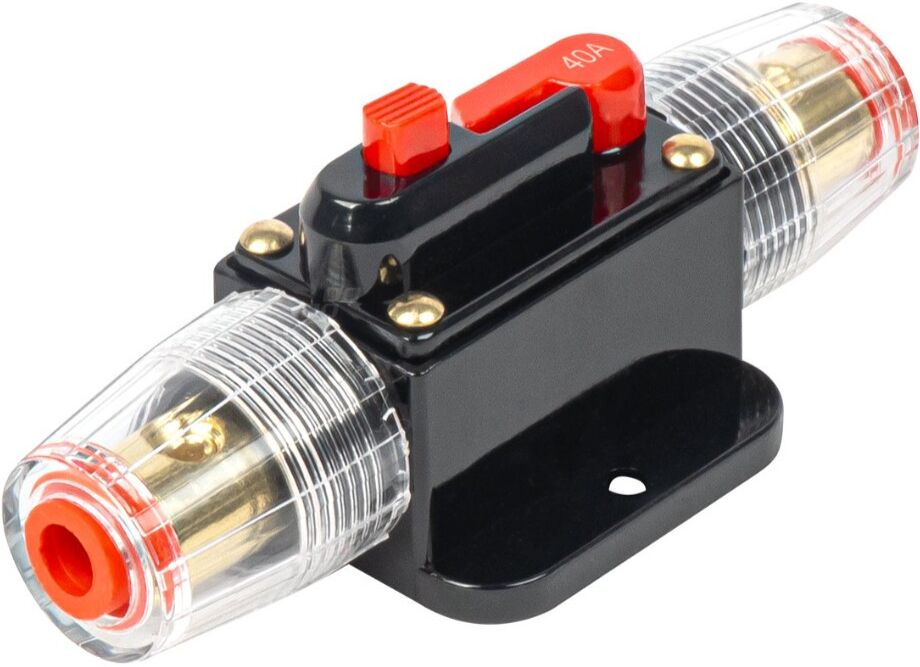
Products related to Circuit:
-
How do you calculate the short-circuit current in this circuit?
To calculate the short-circuit current in this circuit, you need to determine the total impedance of the circuit when a short circuit is applied. This involves calculating the total impedance of all the components in the circuit in parallel. Once you have the total impedance, you can use Ohm's Law (I = V/Z) to calculate the short-circuit current, where I is the current, V is the voltage, and Z is the total impedance of the circuit. **
-
When does the open-circuit voltage or short-circuit current occur?
The open-circuit voltage occurs when there is no load connected to the circuit, allowing the voltage to build up to its maximum potential. On the other hand, the short-circuit current occurs when there is a direct connection between the positive and negative terminals of the voltage source, resulting in the maximum current flow possible. Both of these conditions are important to understand in the analysis and design of electrical circuits. **
-
What are open-circuit voltage, short-circuit current, and internal resistance?
Open-circuit voltage is the voltage across the terminals of a device when no current is flowing. It represents the maximum voltage that the device can produce. Short-circuit current, on the other hand, is the current that flows through the device when the terminals are connected with zero resistance. It represents the maximum current that the device can produce. Internal resistance is the resistance within the device itself, which affects the flow of current and the voltage across the terminals. It is a measure of how much the device's performance is affected by its own internal components. **
-
What is an alternating current circuit?
An alternating current (AC) circuit is a circuit in which the electric current periodically reverses direction. This means that the flow of electric charge changes direction at regular intervals, typically 50 or 60 times per second. AC circuits are commonly used in household electrical systems and in many electronic devices. The voltage and current in an AC circuit vary sinusoidally over time, and the power can be easily transformed and transmitted over long distances using transformers. **
What is the difference between a circuit with direct current and a circuit with alternating current?
The main difference between a circuit with direct current (DC) and a circuit with alternating current (AC) is the direction of the flow of electric charge. In a DC circuit, the electric charge flows in one direction continuously, while in an AC circuit, the direction of the electric charge alternates periodically. This difference in flow direction affects the behavior of components in the circuit, such as resistors, capacitors, and inductors. Additionally, AC circuits are more commonly used for transmitting electricity over long distances due to their ability to easily step up or step down voltage levels using transformers. **
Is current lost in an electrical circuit?
Yes, current is not lost in an electrical circuit. According to Kirchhoff's first law, the total current entering a junction must equal the total current leaving the junction. This means that the current remains constant throughout a closed loop in an electrical circuit. Any change in current is due to the components in the circuit, such as resistors or capacitors, that either impede or facilitate the flow of current. **
Top-Angebote
Products related to Circuit:
-
What is an open circuit in an alternating current circuit?
An open circuit in an alternating current circuit is a break in the circuit that prevents the flow of current. This break can be caused by a disconnected wire, a switch that is turned off, or a component that has failed. When an open circuit occurs, the circuit is incomplete, and no current can flow through it. This results in no power being delivered to the load or device connected to the circuit. **
-
Which residual-current circuit breaker?
The residual-current circuit breaker, also known as an RCCB, is a device designed to quickly disconnect a circuit when it detects an imbalance in the flow of electricity. This imbalance could be caused by a fault in the circuit or by current leakage, which could pose a risk of electric shock or fire. RCCBs are an important safety feature in electrical systems, providing protection against electrical hazards and ensuring the safety of individuals and property. **
-
How do you calculate the short-circuit current in this circuit?
To calculate the short-circuit current in this circuit, you need to determine the total impedance of the circuit when a short circuit is applied. This involves calculating the total impedance of all the components in the circuit in parallel. Once you have the total impedance, you can use Ohm's Law (I = V/Z) to calculate the short-circuit current, where I is the current, V is the voltage, and Z is the total impedance of the circuit. **
-
When does the open-circuit voltage or short-circuit current occur?
The open-circuit voltage occurs when there is no load connected to the circuit, allowing the voltage to build up to its maximum potential. On the other hand, the short-circuit current occurs when there is a direct connection between the positive and negative terminals of the voltage source, resulting in the maximum current flow possible. Both of these conditions are important to understand in the analysis and design of electrical circuits. **
Similar search terms for Circuit
-
What are open-circuit voltage, short-circuit current, and internal resistance?
Open-circuit voltage is the voltage across the terminals of a device when no current is flowing. It represents the maximum voltage that the device can produce. Short-circuit current, on the other hand, is the current that flows through the device when the terminals are connected with zero resistance. It represents the maximum current that the device can produce. Internal resistance is the resistance within the device itself, which affects the flow of current and the voltage across the terminals. It is a measure of how much the device's performance is affected by its own internal components. **
-
What is an alternating current circuit?
An alternating current (AC) circuit is a circuit in which the electric current periodically reverses direction. This means that the flow of electric charge changes direction at regular intervals, typically 50 or 60 times per second. AC circuits are commonly used in household electrical systems and in many electronic devices. The voltage and current in an AC circuit vary sinusoidally over time, and the power can be easily transformed and transmitted over long distances using transformers. **
-
What is the difference between a circuit with direct current and a circuit with alternating current?
The main difference between a circuit with direct current (DC) and a circuit with alternating current (AC) is the direction of the flow of electric charge. In a DC circuit, the electric charge flows in one direction continuously, while in an AC circuit, the direction of the electric charge alternates periodically. This difference in flow direction affects the behavior of components in the circuit, such as resistors, capacitors, and inductors. Additionally, AC circuits are more commonly used for transmitting electricity over long distances due to their ability to easily step up or step down voltage levels using transformers. **
-
Is current lost in an electrical circuit?
Yes, current is not lost in an electrical circuit. According to Kirchhoff's first law, the total current entering a junction must equal the total current leaving the junction. This means that the current remains constant throughout a closed loop in an electrical circuit. Any change in current is due to the components in the circuit, such as resistors or capacitors, that either impede or facilitate the flow of current. **
* All prices are inclusive of VAT and, if applicable, plus shipping costs. The offer information is based on the details provided by the respective shop and is updated through automated processes. Real-time updates do not occur, so deviations can occur in individual cases. ** Note: Parts of this content were created by AI.