Buy news247.eu ?
We are moving the project
news247.eu .
Are you interested in purchasing the domain
news247.eu ?
domain@kv-gmbh.de · 0541-91531010
Buy news247.eu ?
Which residual-current circuit breaker?
The residual-current circuit breaker, also known as an RCCB, is a device designed to quickly disconnect a circuit when it detects an imbalance in the flow of electricity. This imbalance could be caused by a fault in the circuit or by current leakage, which could pose a risk of electric shock or fire. RCCBs are an important safety feature in electrical systems, providing protection against electrical hazards and ensuring the safety of individuals and property. **
What is a residual current circuit breaker?
A residual current circuit breaker (RCCB) is a safety device designed to protect against electric shock and fire hazards caused by earth faults. It works by constantly monitoring the electrical current flowing through a circuit and quickly disconnecting the power supply if it detects any imbalance, such as leakage current to the ground. This helps prevent serious accidents and injuries by cutting off the electricity supply before any harm can occur. RCCBs are commonly used in residential, commercial, and industrial settings to enhance electrical safety. **

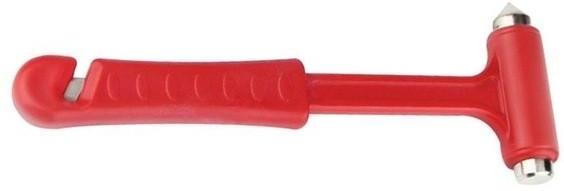
Similar search terms for Breaker
Top-Angebote
Products related to Breaker:
-
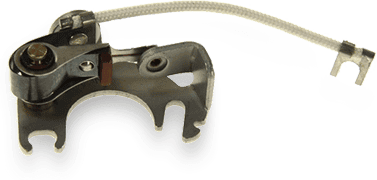
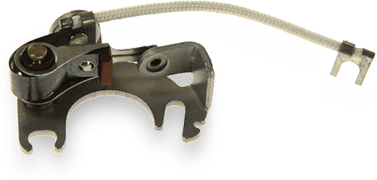
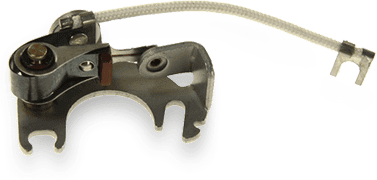
VALEO 582018 Contact Breaker, distributorManufacturer Restriction: DUCELLIER; Weight [kg]: 0,02; Construction Year to: 06/1986, 12/1984, 06/1984, 06/1985, 07/1981, 12/1979, 08/1982, 06/1980, 12/1976, 12/1986, 02/1989, 06/1979; TecDoc Engine Number: 4855, 3015, 3101, 3028, 3013, 3037, 3036, 3138, 3034, 29263, 29262, 5054, 3055, 5142, 3083, 5381, 18884, 21384, 21385, 3067, 3057; Vehicle Identification Number (VIN) to: 87810, 39986; Construction Year from: 07/1979, 03/1981, 09/1977, 09/1976, 01/1976, 06/1982, 10/1980, 12/1975, 07/1980, 07/1981, 08/1985; Engine Code: 800.7.02,800.7.10, 810.7.19,810.7.26, 810.7.26, 810.7.29, 810.7.24, 810.7.28, 847.7.12,C2J.7.13, C2J.7.13, 847.7.12, 821.02/03, 847.7.21, 829A5, A1M 707,A1M.7.08, 843.01,843.02, 843.02, A1M,A1M 707,A1M.7.08, 841.01, 689.7.10, A1M.7.076,59 £*Shipping: 8,45 £Secure redirect to the provider

-
Is the RCCB (Residual Current Circuit Breaker) locked?
The RCCB (Residual Current Circuit Breaker) is not typically locked in its normal operation. However, in some specific situations, such as during maintenance or when working on electrical systems, it may be necessary to lock the RCCB to prevent accidental activation. This can be done using lockout/tagout procedures to ensure the safety of personnel working on the electrical system. It is important to follow proper safety protocols and regulations when locking out the RCCB to prevent accidents and ensure the safety of personnel. **
-
How does the residual current circuit breaker detect the fault current?
The residual current circuit breaker detects fault current by continuously monitoring the difference in current flowing into and out of a circuit. When a fault occurs, such as a leakage of current to ground due to an electrical fault or a person coming into contact with live parts, the current flowing into the circuit will be different from the current flowing out. The residual current circuit breaker quickly detects this imbalance and trips the circuit to prevent electric shock or fire hazards. **
-
How much current can the circuit breaker D20A handle?
The circuit breaker D20A can handle a maximum current of 20 amps. This means that it will trip and interrupt the circuit if the current exceeds 20 amps, protecting the electrical system from damage due to overload or short circuits. It is important to ensure that the devices connected to this circuit do not draw more than 20 amps to prevent tripping of the circuit breaker. **
-
Is a performance circuit breaker a power circuit breaker?
No, a performance circuit breaker is not the same as a power circuit breaker. A performance circuit breaker is designed to protect electrical equipment from damage due to overcurrent or short circuits, while a power circuit breaker is specifically designed to protect power distribution systems from overloads and short circuits. While both types of circuit breakers serve to protect electrical systems, they are designed for different applications and have different operating characteristics. **
Why does the dishwasher trip the residual-current circuit breaker?
The dishwasher may trip the residual-current circuit breaker due to a leakage of electrical current to the ground. This could be caused by a fault in the dishwasher's wiring, a damaged heating element, or water leaking into the electrical components. When the dishwasher is turned on, the increased electrical load can trigger the circuit breaker to trip as a safety measure to prevent electrical hazards such as electric shocks or fires. **
What happens when the residual-current circuit breaker is overloaded?
When a residual-current circuit breaker is overloaded, it will trip and disconnect the circuit from the power supply. This is a safety feature designed to protect against electric shock and prevent damage to electrical appliances. Once the overload is removed and the circuit breaker is reset, power can be restored to the circuit. It is important to investigate the cause of the overload to prevent it from happening again in the future. **
Top-Angebote
Products related to Breaker:
-
VALEO 582018 Contact Breaker, distributorManufacturer Restriction: DUCELLIER; Weight [kg]: 0,02; Construction Year to: 06/1986, 12/1984, 06/1984, 06/1985, 07/1981, 12/1979, 08/1982, 06/1980, 12/1976, 12/1986, 02/1989, 06/1979; TecDoc Engine Number: 4855, 3015, 3101, 3028, 3013, 3037, 3036, 3138, 3034, 29263, 29262, 5054, 3055, 5142, 3083, 5381, 18884, 21384, 21385, 3067, 3057; Vehicle Identification Number (VIN) to: 87810, 39986; Construction Year from: 07/1979, 03/1981, 09/1977, 09/1976, 01/1976, 06/1982, 10/1980, 12/1975, 07/1980, 07/1981, 08/1985; Engine Code: 800.7.02,800.7.10, 810.7.19,810.7.26, 810.7.26, 810.7.29, 810.7.24, 810.7.28, 847.7.12,C2J.7.13, C2J.7.13, 847.7.12, 821.02/03, 847.7.21, 829A5, A1M 707,A1M.7.08, 843.01,843.02, 843.02, A1M,A1M 707,A1M.7.08, 841.01, 689.7.10, A1M.7.076,59 £*Shipping: 8,45 £Secure redirect to the provider
-
Which residual-current circuit breaker?
The residual-current circuit breaker, also known as an RCCB, is a device designed to quickly disconnect a circuit when it detects an imbalance in the flow of electricity. This imbalance could be caused by a fault in the circuit or by current leakage, which could pose a risk of electric shock or fire. RCCBs are an important safety feature in electrical systems, providing protection against electrical hazards and ensuring the safety of individuals and property. **
-
What is a residual current circuit breaker?
A residual current circuit breaker (RCCB) is a safety device designed to protect against electric shock and fire hazards caused by earth faults. It works by constantly monitoring the electrical current flowing through a circuit and quickly disconnecting the power supply if it detects any imbalance, such as leakage current to the ground. This helps prevent serious accidents and injuries by cutting off the electricity supply before any harm can occur. RCCBs are commonly used in residential, commercial, and industrial settings to enhance electrical safety. **
-
Is the RCCB (Residual Current Circuit Breaker) locked?
The RCCB (Residual Current Circuit Breaker) is not typically locked in its normal operation. However, in some specific situations, such as during maintenance or when working on electrical systems, it may be necessary to lock the RCCB to prevent accidental activation. This can be done using lockout/tagout procedures to ensure the safety of personnel working on the electrical system. It is important to follow proper safety protocols and regulations when locking out the RCCB to prevent accidents and ensure the safety of personnel. **
-
How does the residual current circuit breaker detect the fault current?
The residual current circuit breaker detects fault current by continuously monitoring the difference in current flowing into and out of a circuit. When a fault occurs, such as a leakage of current to ground due to an electrical fault or a person coming into contact with live parts, the current flowing into the circuit will be different from the current flowing out. The residual current circuit breaker quickly detects this imbalance and trips the circuit to prevent electric shock or fire hazards. **
Similar search terms for Breaker
-
How much current can the circuit breaker D20A handle?
The circuit breaker D20A can handle a maximum current of 20 amps. This means that it will trip and interrupt the circuit if the current exceeds 20 amps, protecting the electrical system from damage due to overload or short circuits. It is important to ensure that the devices connected to this circuit do not draw more than 20 amps to prevent tripping of the circuit breaker. **
-
Is a performance circuit breaker a power circuit breaker?
No, a performance circuit breaker is not the same as a power circuit breaker. A performance circuit breaker is designed to protect electrical equipment from damage due to overcurrent or short circuits, while a power circuit breaker is specifically designed to protect power distribution systems from overloads and short circuits. While both types of circuit breakers serve to protect electrical systems, they are designed for different applications and have different operating characteristics. **
-
Why does the dishwasher trip the residual-current circuit breaker?
The dishwasher may trip the residual-current circuit breaker due to a leakage of electrical current to the ground. This could be caused by a fault in the dishwasher's wiring, a damaged heating element, or water leaking into the electrical components. When the dishwasher is turned on, the increased electrical load can trigger the circuit breaker to trip as a safety measure to prevent electrical hazards such as electric shocks or fires. **
-
What happens when the residual-current circuit breaker is overloaded?
When a residual-current circuit breaker is overloaded, it will trip and disconnect the circuit from the power supply. This is a safety feature designed to protect against electric shock and prevent damage to electrical appliances. Once the overload is removed and the circuit breaker is reset, power can be restored to the circuit. It is important to investigate the cause of the overload to prevent it from happening again in the future. **
* All prices are inclusive of VAT and, if applicable, plus shipping costs. The offer information is based on the details provided by the respective shop and is updated through automated processes. Real-time updates do not occur, so deviations can occur in individual cases. ** Note: Parts of this content were created by AI.