Buy news247.eu ?
We are moving the project
news247.eu .
Are you interested in purchasing the domain
news247.eu ?
domain@kv-gmbh.de · 0541-91531010
Buy news247.eu ?
What is the protective conductor in alternating current?
The protective conductor in alternating current is a wire that is connected to the metal casing of an electrical device or appliance. It is designed to provide a path for electrical current to flow in the event of a fault, such as a short circuit, to prevent electric shock to the user. The protective conductor is typically colored green and yellow, and it is an essential component of the grounding system in electrical installations to ensure safety. **
What is the difference between protective conductor current and leakage current?
Protective conductor current refers to the current flowing through the protective conductor (earth wire) in an electrical circuit to provide a path for fault currents to safely reach the ground. On the other hand, leakage current is the unintentional flow of current from an electrical circuit to the ground due to insulation breakdown or other faults. Protective conductor current is intentional and necessary for safety, while leakage current is considered a fault and can be hazardous if not properly addressed. **


Similar search terms for Protective
Top-Angebote
Products related to Protective:


-
Which protective clothing?
The choice of protective clothing depends on the specific hazards present in the environment. For example, when dealing with chemicals, a chemical-resistant suit, gloves, and goggles may be necessary. In situations involving heat or flames, flame-resistant clothing and a face shield may be required. It is important to assess the risks and select the appropriate protective clothing to ensure the safety of the individual. **
-
How do you connect protective mask 1 without protective spirits?
Connecting protective mask 1 without protective spirits can be done by focusing on the physical aspects of the mask itself. This can involve ensuring the mask is properly fitted and secured on the face, following any instructions for use provided by the manufacturer, and making sure it covers the nose and mouth effectively. Additionally, practicing good hygiene by washing hands before putting on the mask and avoiding touching the mask while wearing it can also help to ensure its protective qualities. **
-
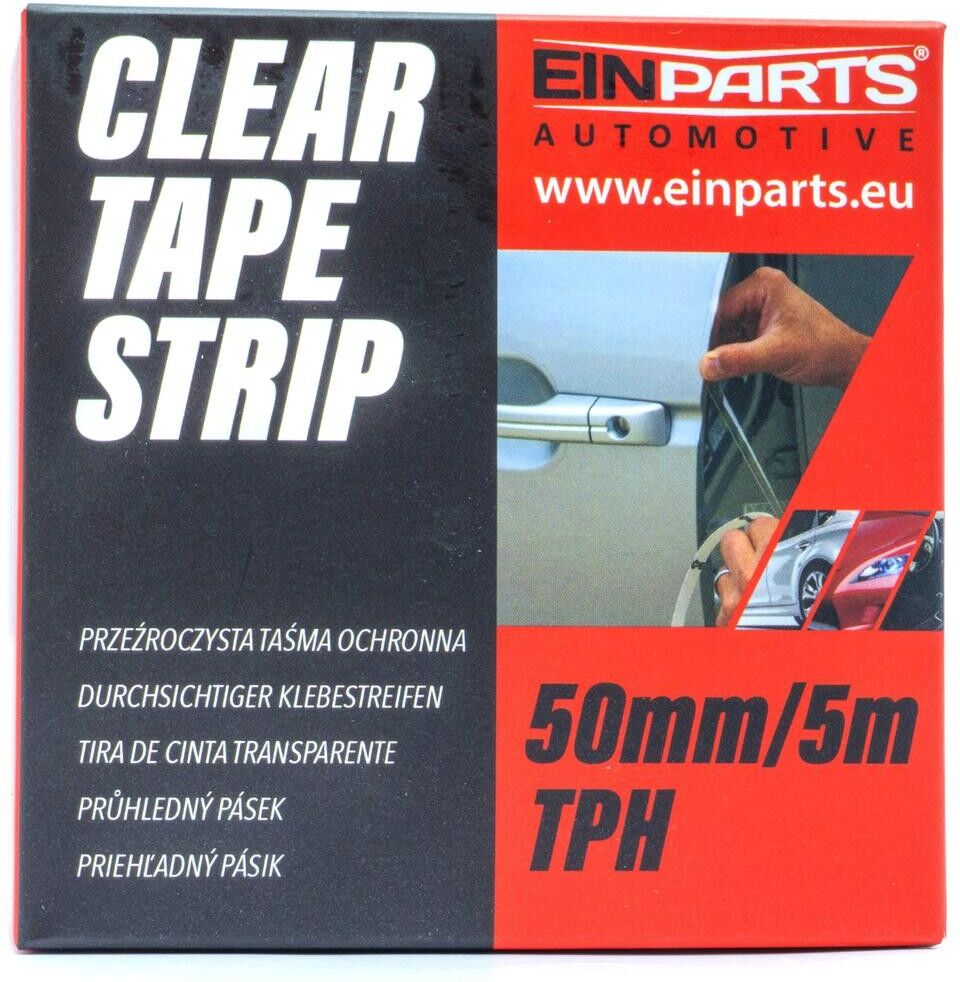
How do I apply a protective film onto another protective film?
To apply a protective film onto another protective film, first ensure that the surface of the existing protective film is clean and free of any dust or debris. Then, carefully peel back a small portion of the new protective film and align it with the existing film. Slowly and evenly apply pressure to adhere the new film onto the existing one, smoothing out any air bubbles or wrinkles as you go. Take your time to ensure a smooth and even application, and use a squeegee or soft cloth to help press the new film onto the existing one. **
-
How to measure the protective conductor current in a frequency converter?
To measure the protective conductor current in a frequency converter, you can use a current clamp meter. First, ensure the frequency converter is properly connected and operating. Then, clamp the current clamp meter around the protective conductor wire. The meter will display the current flowing through the protective conductor, allowing you to measure and monitor it for safety purposes. Be sure to follow all safety precautions and manufacturer guidelines when working with electrical equipment. **

How can the high protective conductor current be resolved or bypassed?
The high protective conductor current can be resolved or bypassed by implementing proper grounding techniques, such as using a low impedance grounding system or installing surge protection devices. Additionally, isolating sensitive equipment from the high current source can help mitigate the impact of the current. Regular maintenance and inspection of the electrical system can also help identify and address any issues that may be causing the high protective conductor current. **
What is the purpose of direct current in the protective conductor?
The purpose of direct current in the protective conductor is to ensure that the protective conductor is functioning properly and has low impedance. By passing direct current through the protective conductor, any faults or breaks in the conductor can be detected by measuring the voltage drop. This helps to ensure that the protective conductor is able to safely carry fault currents and provide protection in the event of a fault. **
Top-Angebote
Products related to Protective:
-
What is the protective conductor in alternating current?
The protective conductor in alternating current is a wire that is connected to the metal casing of an electrical device or appliance. It is designed to provide a path for electrical current to flow in the event of a fault, such as a short circuit, to prevent electric shock to the user. The protective conductor is typically colored green and yellow, and it is an essential component of the grounding system in electrical installations to ensure safety. **
-
What is the difference between protective conductor current and leakage current?
Protective conductor current refers to the current flowing through the protective conductor (earth wire) in an electrical circuit to provide a path for fault currents to safely reach the ground. On the other hand, leakage current is the unintentional flow of current from an electrical circuit to the ground due to insulation breakdown or other faults. Protective conductor current is intentional and necessary for safety, while leakage current is considered a fault and can be hazardous if not properly addressed. **
-
Which protective clothing?
The choice of protective clothing depends on the specific hazards present in the environment. For example, when dealing with chemicals, a chemical-resistant suit, gloves, and goggles may be necessary. In situations involving heat or flames, flame-resistant clothing and a face shield may be required. It is important to assess the risks and select the appropriate protective clothing to ensure the safety of the individual. **
-
How do you connect protective mask 1 without protective spirits?
Connecting protective mask 1 without protective spirits can be done by focusing on the physical aspects of the mask itself. This can involve ensuring the mask is properly fitted and secured on the face, following any instructions for use provided by the manufacturer, and making sure it covers the nose and mouth effectively. Additionally, practicing good hygiene by washing hands before putting on the mask and avoiding touching the mask while wearing it can also help to ensure its protective qualities. **
Similar search terms for Protective
-
How do I apply a protective film onto another protective film?
To apply a protective film onto another protective film, first ensure that the surface of the existing protective film is clean and free of any dust or debris. Then, carefully peel back a small portion of the new protective film and align it with the existing film. Slowly and evenly apply pressure to adhere the new film onto the existing one, smoothing out any air bubbles or wrinkles as you go. Take your time to ensure a smooth and even application, and use a squeegee or soft cloth to help press the new film onto the existing one. **
-
How to measure the protective conductor current in a frequency converter?
To measure the protective conductor current in a frequency converter, you can use a current clamp meter. First, ensure the frequency converter is properly connected and operating. Then, clamp the current clamp meter around the protective conductor wire. The meter will display the current flowing through the protective conductor, allowing you to measure and monitor it for safety purposes. Be sure to follow all safety precautions and manufacturer guidelines when working with electrical equipment. **
-
How can the high protective conductor current be resolved or bypassed?
The high protective conductor current can be resolved or bypassed by implementing proper grounding techniques, such as using a low impedance grounding system or installing surge protection devices. Additionally, isolating sensitive equipment from the high current source can help mitigate the impact of the current. Regular maintenance and inspection of the electrical system can also help identify and address any issues that may be causing the high protective conductor current. **
-
What is the purpose of direct current in the protective conductor?
The purpose of direct current in the protective conductor is to ensure that the protective conductor is functioning properly and has low impedance. By passing direct current through the protective conductor, any faults or breaks in the conductor can be detected by measuring the voltage drop. This helps to ensure that the protective conductor is able to safely carry fault currents and provide protection in the event of a fault. **
* All prices are inclusive of VAT and, if applicable, plus shipping costs. The offer information is based on the details provided by the respective shop and is updated through automated processes. Real-time updates do not occur, so deviations can occur in individual cases. ** Note: Parts of this content were created by AI.