Buy news247.eu ?
We are moving the project
news247.eu .
Are you interested in purchasing the domain
news247.eu ?
domain@kv-gmbh.de · 0541-91531010
Buy news247.eu ?
What comes first: inductance, capacitance, current, or voltage?
In an electrical circuit, current is the flow of electric charge, so it is typically the first to be considered. Once current is established, the next factors to consider are voltage, which is the potential difference that drives the current, and then capacitance and inductance, which are properties that affect how the circuit responds to changes in voltage and current. So, the order of consideration is generally current, voltage, capacitance, and inductance. **
Why does the current come late in inductance?
The current comes late in inductance because of the property of inductors to resist changes in current. When a voltage is applied to an inductor, the inductor initially resists the flow of current, causing the current to rise slowly over time. This is due to the inductor's ability to store energy in its magnetic field, which opposes the change in current. As the magnetic field builds up, the inductor's resistance to the flow of current decreases, allowing the current to reach its maximum value. This delay in the rise of current is known as the inductor's transient response. **

Similar search terms for Inductance
Top-Angebote
Products related to Inductance:
-
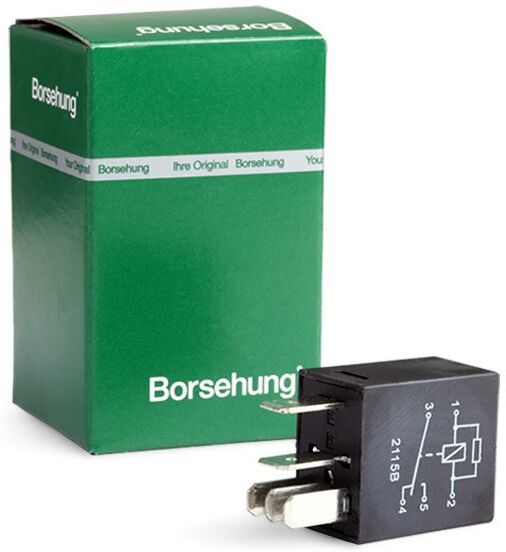
Borsehung B17818 Relay, main currentRelay function: Pre-glow device, X contact relief; Rated Voltage [V]: 12; Number of connectors: 4; Current Strength [A]: 70; Relay Number: 644; Construction Year from: 01/2006, 03/2010, 05/2010, 02/2010, 05/2002, 11/2002, 12/2002, 07/2003, 03/2003, 02/2003, 01/2004, 03/2004, 10/2003, 12/2003, 11/2003, 05/2004, 06/2004, 02/2004, 04/2004, 11/2004, 07/2004, 03/2005, 10/2004, 05/2005, 09/2004, 11/2005, 10/2005, 09/2005, 08/2005, 07/2005, 07/2006, 04/2006, 08/2006, 12/2005, 05/2006, 03/2006, 06/2006, 02/2005, 11/2006, 06/2005, 08/2007, 07/2007, 02/2007, 09/2007, 06/2007, 12/2007, 11/2007, 03/2008, 02/2006, 09/2008, 12/2006, 08/2008, 07/2009, 10/2009, 01/2010, 08/2009, 11/2009, 01/2008, 02/2008, 09/20098,99 £*Shipping: 8,45 £Secure redirect to the provider


-
What is the difference between self-inductance and mutual inductance?
Self-inductance occurs when a changing current in a circuit induces an electromotive force in the same circuit, creating a magnetic field that opposes the change in current. Mutual inductance, on the other hand, occurs when the changing current in one circuit induces an electromotive force in a nearby circuit, creating a magnetic field that affects the second circuit. In essence, self-inductance is the effect of a changing current on the same circuit, while mutual inductance is the effect of a changing current in one circuit on a nearby circuit. **
-
How do you calculate inductance?
Inductance is calculated using the formula L = (N^2 * μ * A) / l, where L is the inductance in henries, N is the number of turns in the coil, μ is the permeability of the core material, A is the cross-sectional area of the coil, and l is the length of the coil. By plugging in the values for these variables, you can determine the inductance of a coil. Additionally, inductance can also be calculated using the formula L = (Φ / I), where Φ is the magnetic flux through the coil and I is the current flowing through the coil. **
-
What is the question about alternating current technology, inductance, and capacitance?
The question about alternating current technology, inductance, and capacitance could be related to how inductors and capacitors behave in AC circuits. It may also involve understanding the concept of reactance in AC circuits, which is the opposition to the flow of alternating current caused by inductance and capacitance. Additionally, the question could be about how inductors and capacitors are used in AC circuits to control the flow of current and voltage, and how their properties affect the overall behavior of the circuit. **
-
Why does the voltage lead the current by 90 degrees in inductance?
In an inductive circuit, the voltage leads the current by 90 degrees because of the property of inductance. When an alternating current flows through an inductor, a magnetic field is generated around the inductor. This magnetic field resists changes in current, causing the current to lag behind the voltage. As a result, the voltage reaches its peak 90 degrees before the current does in an inductive circuit. **

How can one explain inductance measurement simply?
Inductance measurement is a way to determine the ability of a coil to store energy in a magnetic field when a current flows through it. It is measured in henries (H) and can be calculated by applying a known voltage to the coil and measuring the resulting current. The higher the inductance value, the more energy the coil can store. Inductance measurement is important in designing and testing electronic circuits, as it helps ensure proper functioning of components like transformers and inductors. **
What is the effective value and inductance?
The effective value of an inductor is the root mean square (RMS) value of the alternating current that flows through it. It represents the equivalent constant current that would produce the same amount of power dissipation in a resistor as the varying current in the inductor. The inductance of an inductor is a measure of its ability to store energy in the form of a magnetic field when current flows through it. It is typically measured in henries (H) and indicates how much voltage is induced per unit rate of change of current. **
Top-Angebote
Products related to Inductance:
-
Current Softflex Dark Blue Grill Cover For Current Model G and Model G 2.0Protect your investment with the Ocean Colored Current Softflex Cover. It is lightweight yet built to withstand the elements and custom sized to fit your Current grill or griddle. Machine washable, and made to last and stylish.99,99 $*Shipping: 0,00 $Secure redirect to the provider
-
Borsehung B17806 Relay, main currentConstruction Year from: 01/2009, 11/1995, 03/2006, 01/1997, 06/2010, 11/1996, 05/2010, 10/1997, 09/1997, 08/1997, 03/2012, 08/2010, 02/2011, 02/2009, 08/2008, 04/2011, 09/2008, 09/1998, 08/1998, 05/2000, 03/2000, 10/1999, 06/2001, 04/2000, 01/2001, 02/2001, 04/2002, 06/2002, 02/2002, 09/2002, 08/2002, 05/2001, 12/2002, 10/2002, 01/2003, 09/2003, 05/2003, 03/2003, 08/2003, 04/2004, 05/2004, 07/2003, 01/2004, 03/2004, 10/2003, 12/2003, 02/2004, 02/2003, 07/2004, 08/2004, 09/2004, 06/2004, 01/2005, 03/2005, 05/2005, 11/2004, 02/2005, 08/2005, 07/2005, 11/2005, 10/2004, 01/2006, 12/2005, 04/2005, 10/2005, 09/2005, 09/2006, 06/2006, 10/2006, 05/2006, 11/2006, 12/2006, 08/2006, 07/2006, 06/2007, 07/2007, 01/2007, 02/2006, 11/2007, 10/2007, 05/2007, 09/2007, 04/2007, 08/2007, 01/2008, 02/2008, 05/2008, 04/2006, 12/2008, 02/2007, 11/2008, 10/2008, 07/2008, 04/2009, 07/2009, 09/2009, 12/2009, 11/2009, 03/2010, 08/2009, 01/2010, 02/2010, 04/2008, 07/20105,99 £*Shipping: 8,45 £Secure redirect to the provider
-
Borsehung B17818 Relay, main currentRelay function: Pre-glow device, X contact relief; Rated Voltage [V]: 12; Number of connectors: 4; Current Strength [A]: 70; Relay Number: 644; Construction Year from: 01/2006, 03/2010, 05/2010, 02/2010, 05/2002, 11/2002, 12/2002, 07/2003, 03/2003, 02/2003, 01/2004, 03/2004, 10/2003, 12/2003, 11/2003, 05/2004, 06/2004, 02/2004, 04/2004, 11/2004, 07/2004, 03/2005, 10/2004, 05/2005, 09/2004, 11/2005, 10/2005, 09/2005, 08/2005, 07/2005, 07/2006, 04/2006, 08/2006, 12/2005, 05/2006, 03/2006, 06/2006, 02/2005, 11/2006, 06/2005, 08/2007, 07/2007, 02/2007, 09/2007, 06/2007, 12/2007, 11/2007, 03/2008, 02/2006, 09/2008, 12/2006, 08/2008, 07/2009, 10/2009, 01/2010, 08/2009, 11/2009, 01/2008, 02/2008, 09/20098,99 £*Shipping: 8,45 £Secure redirect to the provider
-
What comes first: inductance, capacitance, current, or voltage?
In an electrical circuit, current is the flow of electric charge, so it is typically the first to be considered. Once current is established, the next factors to consider are voltage, which is the potential difference that drives the current, and then capacitance and inductance, which are properties that affect how the circuit responds to changes in voltage and current. So, the order of consideration is generally current, voltage, capacitance, and inductance. **
-
Why does the current come late in inductance?
The current comes late in inductance because of the property of inductors to resist changes in current. When a voltage is applied to an inductor, the inductor initially resists the flow of current, causing the current to rise slowly over time. This is due to the inductor's ability to store energy in its magnetic field, which opposes the change in current. As the magnetic field builds up, the inductor's resistance to the flow of current decreases, allowing the current to reach its maximum value. This delay in the rise of current is known as the inductor's transient response. **
-
What is the difference between self-inductance and mutual inductance?
Self-inductance occurs when a changing current in a circuit induces an electromotive force in the same circuit, creating a magnetic field that opposes the change in current. Mutual inductance, on the other hand, occurs when the changing current in one circuit induces an electromotive force in a nearby circuit, creating a magnetic field that affects the second circuit. In essence, self-inductance is the effect of a changing current on the same circuit, while mutual inductance is the effect of a changing current in one circuit on a nearby circuit. **
-
How do you calculate inductance?
Inductance is calculated using the formula L = (N^2 * μ * A) / l, where L is the inductance in henries, N is the number of turns in the coil, μ is the permeability of the core material, A is the cross-sectional area of the coil, and l is the length of the coil. By plugging in the values for these variables, you can determine the inductance of a coil. Additionally, inductance can also be calculated using the formula L = (Φ / I), where Φ is the magnetic flux through the coil and I is the current flowing through the coil. **
Similar search terms for Inductance
-
What is the question about alternating current technology, inductance, and capacitance?
The question about alternating current technology, inductance, and capacitance could be related to how inductors and capacitors behave in AC circuits. It may also involve understanding the concept of reactance in AC circuits, which is the opposition to the flow of alternating current caused by inductance and capacitance. Additionally, the question could be about how inductors and capacitors are used in AC circuits to control the flow of current and voltage, and how their properties affect the overall behavior of the circuit. **
-
Why does the voltage lead the current by 90 degrees in inductance?
In an inductive circuit, the voltage leads the current by 90 degrees because of the property of inductance. When an alternating current flows through an inductor, a magnetic field is generated around the inductor. This magnetic field resists changes in current, causing the current to lag behind the voltage. As a result, the voltage reaches its peak 90 degrees before the current does in an inductive circuit. **
-
How can one explain inductance measurement simply?
Inductance measurement is a way to determine the ability of a coil to store energy in a magnetic field when a current flows through it. It is measured in henries (H) and can be calculated by applying a known voltage to the coil and measuring the resulting current. The higher the inductance value, the more energy the coil can store. Inductance measurement is important in designing and testing electronic circuits, as it helps ensure proper functioning of components like transformers and inductors. **
-
What is the effective value and inductance?
The effective value of an inductor is the root mean square (RMS) value of the alternating current that flows through it. It represents the equivalent constant current that would produce the same amount of power dissipation in a resistor as the varying current in the inductor. The inductance of an inductor is a measure of its ability to store energy in the form of a magnetic field when current flows through it. It is typically measured in henries (H) and indicates how much voltage is induced per unit rate of change of current. **
* All prices are inclusive of VAT and, if applicable, plus shipping costs. The offer information is based on the details provided by the respective shop and is updated through automated processes. Real-time updates do not occur, so deviations can occur in individual cases. ** Note: Parts of this content were created by AI.