Buy news247.eu ?
We are moving the project
news247.eu .
Are you interested in purchasing the domain
news247.eu ?
domain@kv-gmbh.de · 0541-91531010
Buy news247.eu ?
Does saltwater corrode aluminum?
Yes, saltwater can corrode aluminum. When aluminum is exposed to saltwater, a chemical reaction occurs that leads to the formation of aluminum oxide, which is a type of corrosion known as pitting corrosion. This can weaken the aluminum and eventually lead to structural damage if not properly treated or protected. To prevent corrosion, it is important to use protective coatings or alloys that are more resistant to saltwater exposure. **
Why don't lemons corrode?
Lemons do not corrode because they have a high acidity level, which acts as a natural preservative. The citric acid in lemons helps to inhibit the growth of bacteria and other microorganisms that can cause corrosion. Additionally, the protective outer layer of the lemon peel helps to prevent the juice from coming into direct contact with metal surfaces, further reducing the risk of corrosion. Overall, the combination of acidity and protective barriers in lemons helps to prevent corrosion from occurring. **


Similar search terms for Corrode
Top-Angebote
Products related to Corrode:
-
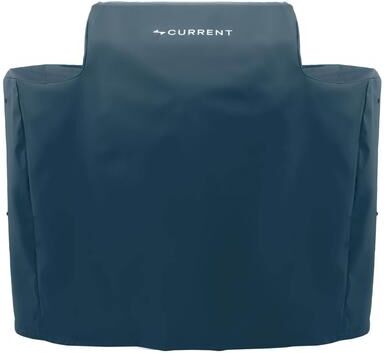
Current Softflex Dark Blue Grill Cover For Current Model G and Model G 2.0Protect your investment with the Ocean Colored Current Softflex Cover. It is lightweight yet built to withstand the elements and custom sized to fit your Current grill or griddle. Machine washable, and made to last and stylish.99,99 $*Shipping: 0,00 $Secure redirect to the provider
-
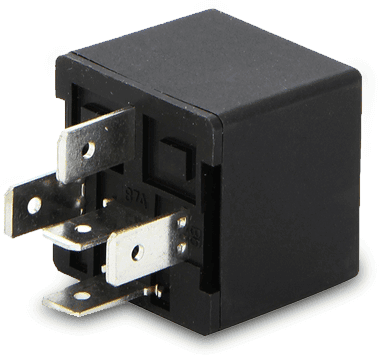
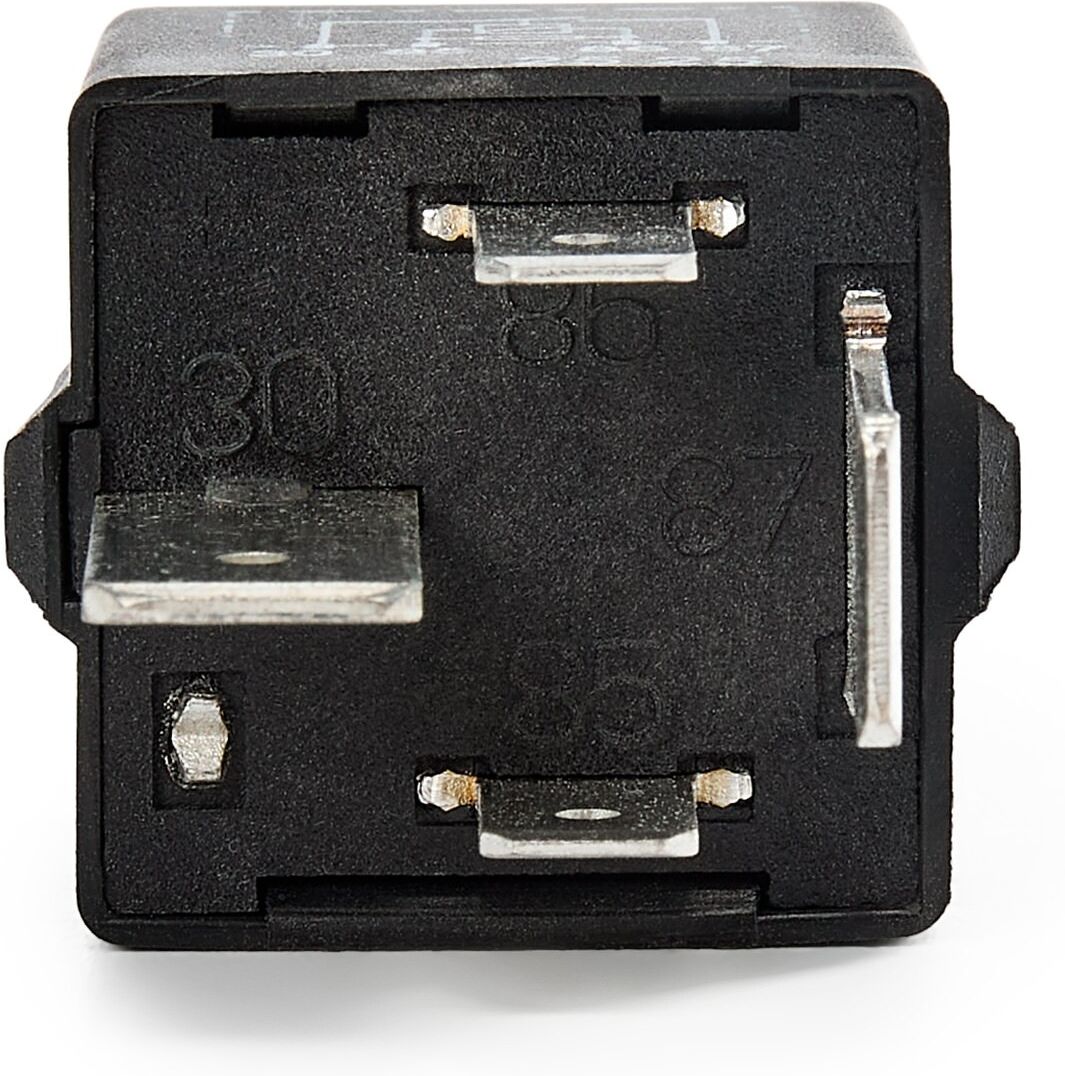
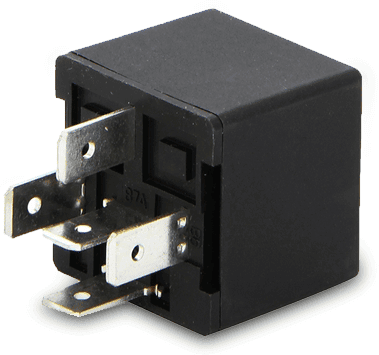
Borsehung B17816 Relay, main currentConstruction Year from: 02/1983, 10/1986, 09/1988, 11/1990, 04/1990, 10/1991, 09/1992, 08/1992, 07/1988, 05/1990, 10/1979, 03/1979, 05/1974, 10/1982, 10/1980, 05/1982, 10/1983, 03/1984, 03/1981, 10/1985, 03/1985, 04/1991, 11/1993, 07/1991, 10/1981, 03/1983, 02/1982, 03/1974, 06/1986, 01/1986, 12/1985, 05/1986, 06/1979, 09/1983, 03/1993, 08/1993, 07/1994, 09/1994, 02/1994, 04/1994, 11/1994, 08/1994, 08/1995, 10/1995, 02/1995, 02/2000, 11/1995, 09/1995, 04/1996, 05/1996, 12/1995, 01/1996, 11/1996, 10/1996, 08/1996, 10/1997, 07/1997, 09/1996, 05/1997, 04/1997, 09/1997, 01/1984, 11/1997, 06/1997, 07/1998, 09/1998, 10/1998, 12/1998, 08/1998, 06/1998, 04/1995, 05/1999, 02/1999, 01/1998, 02/1998, 01/1999, 09/1999, 07/1999, 10/1999, 08/1999, 12/1999, 04/1999, 11/1999, 05/2000, 11/2000, 01/2001, 10/2001, 12/2001, 03/2000, 02/1997, 07/2000, 09/2003, 10/2000, 06/2005, 09/1975, 07/1996, 06/1996, 02/1996, 04/2001, 11/1987, 09/1989, 12/2006, 10/19845,59 £*Shipping: 8,45 £Secure redirect to the provider
-
Borsehung B17819 Relay, main currentConstruction Year from: 12/2005, 03/2011, 06/2004, 03/2008, 01/2010, 12/2010, 12/2008, 06/2008, 02/2011, 07/2008, 06/2003, 12/2003, 02/2004, 09/2003, 11/2003, 04/2004, 05/2004, 03/2004, 10/2004, 02/2005, 12/2004, 04/2005, 09/2005, 06/2005, 07/2006, 10/2005, 09/2006, 10/2006, 06/2006, 05/2006, 04/2007, 05/2007, 01/2005, 07/2005, 02/2006, 07/2007, 08/2005, 06/2007, 10/2007, 08/2007, 02/2008, 08/2008, 04/2008, 12/2007, 06/2009, 09/2009, 08/2009, 07/2009, 12/2009, 11/2007, 09/2010, 06/2010, 08/20105,59 £*Shipping: 8,45 £Secure redirect to the provider

-
Can stomach acid corrode glass?
Stomach acid, also known as hydrochloric acid, is a strong acid that can corrode many materials, including glass. However, glass is generally resistant to the corrosive effects of stomach acid due to its non-reactive nature. While prolonged exposure to stomach acid may eventually cause some etching or dulling of the glass surface, it is unlikely to cause significant corrosion or damage. **
-
Why do acids and bases corrode?
Acids and bases are corrosive because they have the ability to react with and break down materials they come into contact with. Acids donate protons, which can react with metals, causing them to corrode. Bases, on the other hand, can react with fats and oils, breaking them down and causing corrosion. The corrosive nature of acids and bases is due to their ability to chemically react with substances, leading to degradation and deterioration of materials. **
-
Do batteries, especially button cells, really leak and corrode after years?
Yes, batteries, including button cells, can leak and corrode over time. This is typically caused by a chemical reaction within the battery that leads to the leakage of corrosive materials. This can happen more frequently in older or expired batteries. It is important to regularly check and replace batteries to prevent leakage and corrosion, which can damage electronic devices. **
-
Why do acids corrode base metals? Explain this using an example.
Acids corrode base metals because they can donate hydrogen ions (H+) to the metal surface, leading to the formation of metal ions and hydrogen gas. This process weakens the metal structure, making it more susceptible to corrosion. For example, when hydrochloric acid (HCl) comes into contact with iron (Fe), it reacts to form iron chloride (FeCl2) and hydrogen gas (H2), causing the iron to corrode and deteriorate over time. **

Is there an acid that can corrode almost anything in seconds?
There is no single acid that can corrode almost anything in seconds. While there are strong acids such as hydrochloric acid and sulfuric acid that can corrode many materials, they do not instantly corrode everything. The speed and extent of corrosion depend on the specific material and the concentration of the acid. Additionally, there are some materials that are resistant to corrosion from even the strongest acids. **
Do batteries, especially button cells, really run out and corrode after years?
Yes, batteries, including button cells, can run out and corrode after years of use. Over time, the chemicals inside the battery can degrade, leading to a decrease in power output. Additionally, if a battery is left unused for an extended period, it can leak and corrode, causing damage to the device it is powering. It is important to regularly check and replace batteries to prevent these issues. **
Top-Angebote
Products related to Corrode:
-
AVAST Ultimate (1 Year / 1 PC) Latest Version + Free UpdatesProtect your digital world with AVAST Ultimate (1 Year / 1 PC) Latest Version + Free Updates. Download and Installation: Begin by downloading and installing AVAST Ultimate's trial version. Activation: Launch AVAST and go to "Subscription Status." Click "Activate" and enter the provided activation code. Completion: After entering the code, confirm and click "Finish" to activate your subscription. Key Features: Comprehensive Protection: Avail top-notch antivirus, anti-malware, and firewall technologies for robust defense against digital threats. Free Updates: Enjoy continuous updates throughout the year, ensuring your protection stays ahead of emerging threats. Privacy Enhancements: Advanced features like VPN and password management fortify your online privacy. Performance Optimization: Maintain optimal system performance with AVAST's efficient resource management. 24/7 Support: Access round-the-clock customer support for any queries or assistance. System Requirements: PC: Windows 10, 8.1, 8, or 7 (both 32- and 64-bit versions, excluding Starter and RT editions), 1 GB RAM, and 2 GB of hard disk space. Mac: macOS 10.10 (Mavericks) or later. Android: Google Android 5 (Lollipop, API 21) or higher. iOS: iOS 12.0 or higher. All devices require an internet connection for automatic security and program updates. Ensure compatibility across your devices and operating systems, and stay protected against evolving cyber threats with AVAST Ultimate (1 Year / 1 PC) Latest Version + Free Updates.24,90 £*Shipping: 0,00 £Secure redirect to the provider
-
McAfee Internet Security (1 year, 1 device) Latest Version + Free UpdatesMcAfee® Internet Security provides trusted virus and identity protection for your device, ensuring secure online experiences. Key features : Virus and Malware Protection: Safeguard your device from viruses, malware, and other online threats. Identity Protection: Prevent identity theft and protect your personal information with advanced security measures. Secure Web Browsing: Browse the internet safely with real-time scanning of websites for potential threats. Firewall Security: Protect your device and network from unauthorized access with a robust firewall. True Key App: Simplify password management and enhance security with biometric authentication. System Requirements for MaAfee Internet Security: Operating System: Compatible with Windows, macOS, Android, and iOS devices Processor: 1 GHz or faster RAM: 2 GB (Windows/macOS), 1 GB (Android), 512 MB (iOS) Disk Space: 500 MB (Windows), 600 MB (macOS), varies (Android, iOS) Internet Connection: Required for product activation, updates, and online features. With McAfee® Internet Security, you can confidently navigate the online world knowing that your devices and personal information are protected by trusted security solutions.8,00 £*Shipping: 0,00 £Secure redirect to the provider
-
Current Softflex Dark Blue Grill Cover For Current Model G and Model G 2.0Protect your investment with the Ocean Colored Current Softflex Cover. It is lightweight yet built to withstand the elements and custom sized to fit your Current grill or griddle. Machine washable, and made to last and stylish.99,99 $*Shipping: 0,00 $Secure redirect to the provider
-
Does saltwater corrode aluminum?
Yes, saltwater can corrode aluminum. When aluminum is exposed to saltwater, a chemical reaction occurs that leads to the formation of aluminum oxide, which is a type of corrosion known as pitting corrosion. This can weaken the aluminum and eventually lead to structural damage if not properly treated or protected. To prevent corrosion, it is important to use protective coatings or alloys that are more resistant to saltwater exposure. **
-
Why don't lemons corrode?
Lemons do not corrode because they have a high acidity level, which acts as a natural preservative. The citric acid in lemons helps to inhibit the growth of bacteria and other microorganisms that can cause corrosion. Additionally, the protective outer layer of the lemon peel helps to prevent the juice from coming into direct contact with metal surfaces, further reducing the risk of corrosion. Overall, the combination of acidity and protective barriers in lemons helps to prevent corrosion from occurring. **
-
Can stomach acid corrode glass?
Stomach acid, also known as hydrochloric acid, is a strong acid that can corrode many materials, including glass. However, glass is generally resistant to the corrosive effects of stomach acid due to its non-reactive nature. While prolonged exposure to stomach acid may eventually cause some etching or dulling of the glass surface, it is unlikely to cause significant corrosion or damage. **
-
Why do acids and bases corrode?
Acids and bases are corrosive because they have the ability to react with and break down materials they come into contact with. Acids donate protons, which can react with metals, causing them to corrode. Bases, on the other hand, can react with fats and oils, breaking them down and causing corrosion. The corrosive nature of acids and bases is due to their ability to chemically react with substances, leading to degradation and deterioration of materials. **
Similar search terms for Corrode
-
Borsehung B17816 Relay, main currentConstruction Year from: 02/1983, 10/1986, 09/1988, 11/1990, 04/1990, 10/1991, 09/1992, 08/1992, 07/1988, 05/1990, 10/1979, 03/1979, 05/1974, 10/1982, 10/1980, 05/1982, 10/1983, 03/1984, 03/1981, 10/1985, 03/1985, 04/1991, 11/1993, 07/1991, 10/1981, 03/1983, 02/1982, 03/1974, 06/1986, 01/1986, 12/1985, 05/1986, 06/1979, 09/1983, 03/1993, 08/1993, 07/1994, 09/1994, 02/1994, 04/1994, 11/1994, 08/1994, 08/1995, 10/1995, 02/1995, 02/2000, 11/1995, 09/1995, 04/1996, 05/1996, 12/1995, 01/1996, 11/1996, 10/1996, 08/1996, 10/1997, 07/1997, 09/1996, 05/1997, 04/1997, 09/1997, 01/1984, 11/1997, 06/1997, 07/1998, 09/1998, 10/1998, 12/1998, 08/1998, 06/1998, 04/1995, 05/1999, 02/1999, 01/1998, 02/1998, 01/1999, 09/1999, 07/1999, 10/1999, 08/1999, 12/1999, 04/1999, 11/1999, 05/2000, 11/2000, 01/2001, 10/2001, 12/2001, 03/2000, 02/1997, 07/2000, 09/2003, 10/2000, 06/2005, 09/1975, 07/1996, 06/1996, 02/1996, 04/2001, 11/1987, 09/1989, 12/2006, 10/19845,59 £*Shipping: 8,45 £Secure redirect to the provider
-
Borsehung B17819 Relay, main currentConstruction Year from: 12/2005, 03/2011, 06/2004, 03/2008, 01/2010, 12/2010, 12/2008, 06/2008, 02/2011, 07/2008, 06/2003, 12/2003, 02/2004, 09/2003, 11/2003, 04/2004, 05/2004, 03/2004, 10/2004, 02/2005, 12/2004, 04/2005, 09/2005, 06/2005, 07/2006, 10/2005, 09/2006, 10/2006, 06/2006, 05/2006, 04/2007, 05/2007, 01/2005, 07/2005, 02/2006, 07/2007, 08/2005, 06/2007, 10/2007, 08/2007, 02/2008, 08/2008, 04/2008, 12/2007, 06/2009, 09/2009, 08/2009, 07/2009, 12/2009, 11/2007, 09/2010, 06/2010, 08/20105,59 £*Shipping: 8,45 £Secure redirect to the provider
-
AIC 54727 Relay, main currentOperating Mode: Electric; Number of pins: 5; Switch Function: Normally Open Contact, Dual Output; Voltage [V]: 12; Inductive Load [A]: 30; Capacitive Load [A]: 30; Ohmic Load [A]: 40; Supplementary Article / Supplementary Info: with holder; Guarantee: 5 years guarantee or up to 75,000km5,59 £*Shipping: 8,45 £Secure redirect to the provider
-
Do batteries, especially button cells, really leak and corrode after years?
Yes, batteries, including button cells, can leak and corrode over time. This is typically caused by a chemical reaction within the battery that leads to the leakage of corrosive materials. This can happen more frequently in older or expired batteries. It is important to regularly check and replace batteries to prevent leakage and corrosion, which can damage electronic devices. **
-
Why do acids corrode base metals? Explain this using an example.
Acids corrode base metals because they can donate hydrogen ions (H+) to the metal surface, leading to the formation of metal ions and hydrogen gas. This process weakens the metal structure, making it more susceptible to corrosion. For example, when hydrochloric acid (HCl) comes into contact with iron (Fe), it reacts to form iron chloride (FeCl2) and hydrogen gas (H2), causing the iron to corrode and deteriorate over time. **
-
Is there an acid that can corrode almost anything in seconds?
There is no single acid that can corrode almost anything in seconds. While there are strong acids such as hydrochloric acid and sulfuric acid that can corrode many materials, they do not instantly corrode everything. The speed and extent of corrosion depend on the specific material and the concentration of the acid. Additionally, there are some materials that are resistant to corrosion from even the strongest acids. **
-
Do batteries, especially button cells, really run out and corrode after years?
Yes, batteries, including button cells, can run out and corrode after years of use. Over time, the chemicals inside the battery can degrade, leading to a decrease in power output. Additionally, if a battery is left unused for an extended period, it can leak and corrode, causing damage to the device it is powering. It is important to regularly check and replace batteries to prevent these issues. **
* All prices are inclusive of VAT and, if applicable, plus shipping costs. The offer information is based on the details provided by the respective shop and is updated through automated processes. Real-time updates do not occur, so deviations can occur in individual cases. ** Note: Parts of this content were created by AI.