Buy news247.eu ?
We are moving the project
news247.eu .
Are you interested in purchasing the domain
news247.eu ?
domain@kv-gmbh.de · 0541-91531010
Buy news247.eu ?
What is the difference in current-carrying capacity between sheathed cables and flexible cables?
Sheathed cables generally have a higher current-carrying capacity compared to flexible cables. This is because sheathed cables are designed for fixed installations and are typically made with thicker and more robust insulation materials, allowing them to handle higher levels of current without overheating. On the other hand, flexible cables are designed for temporary or movable installations and are usually made with thinner insulation, making them suitable for lower current-carrying capacities. It's important to select the appropriate type of cable based on the specific requirements of the installation to ensure safety and optimal performance. **
What is the current-carrying capacity of cables?
The current-carrying capacity of cables refers to the maximum amount of electrical current that a cable can safely handle without overheating. This capacity is determined by factors such as the size of the cable, the material it is made of, and the insulation used. It is important to choose cables with a current-carrying capacity that matches the electrical load to prevent overheating and potential hazards. **

Similar search terms for Cables
Top-Angebote
Products related to Cables:
-
XL 551030 Jumper cablesLength [m]: 2.5; Material: Copper; for petrol engines to capacity [ccm]: 1500; Insulated: ; Supplementary Article / Supplementary Info Info 2: with storage bag, with overvoltage protection; Vehicle type: Passenger cars; Cable Cross Section [mm²]: 10; suited for engine type: Petrol Engine33,49 £*Shipping: 8,45 £Secure redirect to the provider


-
What is the difference between copper cables, twisted-pair cables, fiber optic cables, and coaxial cables?
Copper cables are made of copper wire and are commonly used for transmitting electrical signals. Twisted-pair cables consist of pairs of insulated copper wires twisted together, which helps reduce electromagnetic interference. Fiber optic cables use thin strands of glass or plastic to transmit data using light pulses, allowing for high-speed and long-distance transmission. Coaxial cables have a central conductor surrounded by an insulating layer, a conductive shield, and an outer insulating layer, and are commonly used for cable television and internet connections. Each type of cable has its own advantages and is used for different purposes based on their unique characteristics. **
-
Why do RCA cables have two cables?
RCA cables have two cables, one for the left audio channel and one for the right audio channel. This allows for stereo sound to be transmitted from one device to another. By having separate cables for each channel, RCA cables can maintain the integrity of the stereo signal and provide a better audio experience. **
-
"Use regular cables instead of solar cables?"
Regular cables are typically used for general electrical applications, while solar cables are specifically designed for use in solar power systems. Solar cables are designed to withstand the unique environmental conditions and high temperatures associated with solar installations, making them more suitable for these applications. Using regular cables instead of solar cables in a solar power system may result in reduced efficiency, increased risk of damage, and potential safety hazards. Therefore, it is recommended to use solar cables specifically designed for solar power systems to ensure optimal performance and safety. **
-
Who can help with the current capacity of cables?
A professional electrician or a cable technician would be the best individuals to help with the current capacity of cables. They have the expertise and knowledge to assess the current capacity of cables and determine if they are suitable for the intended use. Additionally, they can recommend any necessary upgrades or replacements to ensure the safety and efficiency of the electrical system. **

Can I throw old cables like laptop cables, phone cables, and printer cables in the regular household waste?
No, it is not recommended to throw old cables like laptop cables, phone cables, and printer cables in the regular household waste. These cables often contain materials that can be harmful to the environment if not disposed of properly. It is best to recycle these cables at a designated electronic waste recycling facility to ensure that they are disposed of in an environmentally friendly manner. Many communities have specific drop-off locations for electronic waste recycling. **
Do you need thicker cables for direct current than for alternating current?
No, you do not necessarily need thicker cables for direct current (DC) than for alternating current (AC). The current-carrying capacity of a cable is determined by factors such as the material, size, and insulation of the cable, as well as the voltage and current being carried. Both DC and AC have their own unique considerations when it comes to cable sizing, but the need for thicker cables is not inherently tied to the type of current being carried. It ultimately depends on the specific requirements of the electrical system and the application. **
Top-Angebote
Products related to Cables:
-
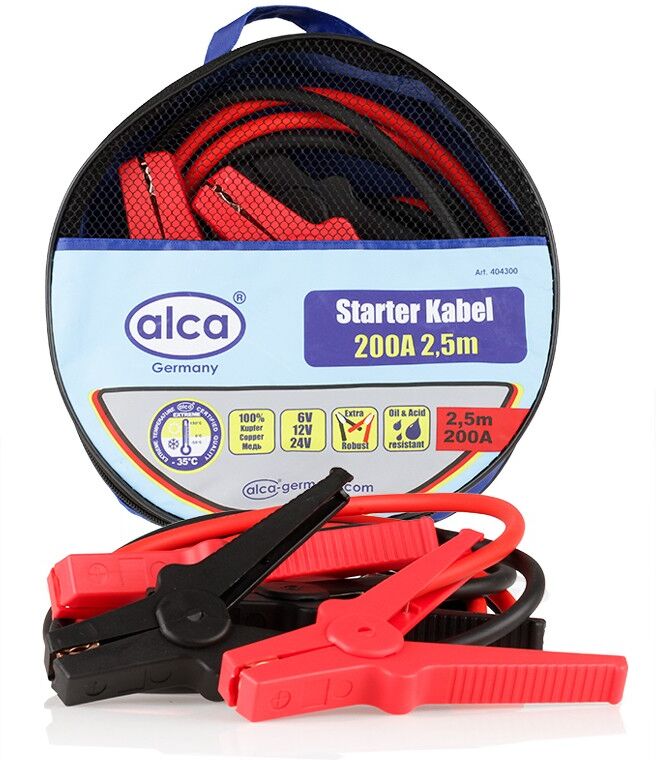
ALCA 404300 Jumper cablesMaterial: Copper; Insulated: ; Supplementary Article / Supplementary Info Info 2: with storage bag, with overvoltage protection; Current Strength to [A]: 200; Voltage [V]: 6, 12, 24; Weight [kg]: 1.2; Version: M; resistant to: Oil; Vehicle type: Passenger cars, Motorcycle, Trucks; Length [m]: 2.5; suited for engine type: Petrol Engine18,49 £*Shipping: 8,45 £Secure redirect to the provider
-
XL 551030 Jumper cablesLength [m]: 2.5; Material: Copper; for petrol engines to capacity [ccm]: 1500; Insulated: ; Supplementary Article / Supplementary Info Info 2: with storage bag, with overvoltage protection; Vehicle type: Passenger cars; Cable Cross Section [mm²]: 10; suited for engine type: Petrol Engine33,49 £*Shipping: 8,45 £Secure redirect to the provider
-
What is the difference in current-carrying capacity between sheathed cables and flexible cables?
Sheathed cables generally have a higher current-carrying capacity compared to flexible cables. This is because sheathed cables are designed for fixed installations and are typically made with thicker and more robust insulation materials, allowing them to handle higher levels of current without overheating. On the other hand, flexible cables are designed for temporary or movable installations and are usually made with thinner insulation, making them suitable for lower current-carrying capacities. It's important to select the appropriate type of cable based on the specific requirements of the installation to ensure safety and optimal performance. **
-
What is the current-carrying capacity of cables?
The current-carrying capacity of cables refers to the maximum amount of electrical current that a cable can safely handle without overheating. This capacity is determined by factors such as the size of the cable, the material it is made of, and the insulation used. It is important to choose cables with a current-carrying capacity that matches the electrical load to prevent overheating and potential hazards. **
-
What is the difference between copper cables, twisted-pair cables, fiber optic cables, and coaxial cables?
Copper cables are made of copper wire and are commonly used for transmitting electrical signals. Twisted-pair cables consist of pairs of insulated copper wires twisted together, which helps reduce electromagnetic interference. Fiber optic cables use thin strands of glass or plastic to transmit data using light pulses, allowing for high-speed and long-distance transmission. Coaxial cables have a central conductor surrounded by an insulating layer, a conductive shield, and an outer insulating layer, and are commonly used for cable television and internet connections. Each type of cable has its own advantages and is used for different purposes based on their unique characteristics. **
-
Why do RCA cables have two cables?
RCA cables have two cables, one for the left audio channel and one for the right audio channel. This allows for stereo sound to be transmitted from one device to another. By having separate cables for each channel, RCA cables can maintain the integrity of the stereo signal and provide a better audio experience. **
Similar search terms for Cables
-
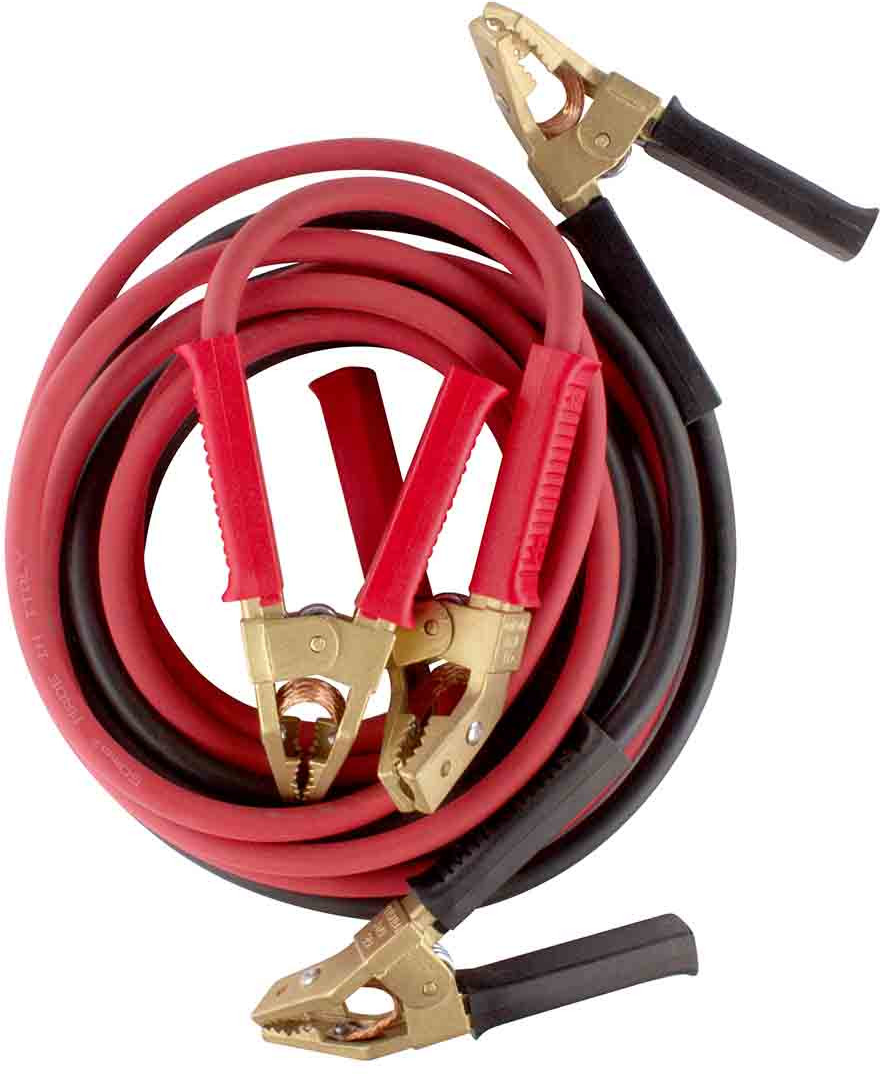
AMiO 01340 Jumper cablesCurrent Strength to [A]: 600; Colour: red, black; Packaging: Plastic case; Vehicle type: Passenger cars; Material: Copper; Length [m]: 6; Cable Cross Section [mm²]: 6; suited for engine type: Diesel, Petrol Engine; Supplementary Article / Supplementary Info Info 2: with overvoltage protection15,99 £*Shipping: 8,45 £Secure redirect to the provider
-
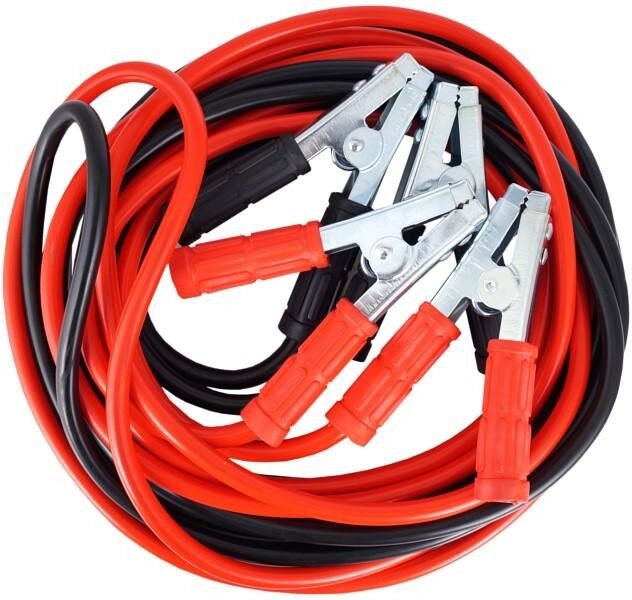
CARMOTION 58457 Jumper cablesVehicle type: Car; Voltage [V]: 8; Cable Length [m]: 6; Material: TPE (thermoplastic elastomer); Cable Cross Section [mm²]: 25; Current Strength to [A]: 800; suited for engine type: Petrol Injection; DIN/ISO: ISO22,99 £*Shipping: 8,45 £Secure redirect to the provider
-
"Use regular cables instead of solar cables?"
Regular cables are typically used for general electrical applications, while solar cables are specifically designed for use in solar power systems. Solar cables are designed to withstand the unique environmental conditions and high temperatures associated with solar installations, making them more suitable for these applications. Using regular cables instead of solar cables in a solar power system may result in reduced efficiency, increased risk of damage, and potential safety hazards. Therefore, it is recommended to use solar cables specifically designed for solar power systems to ensure optimal performance and safety. **
-
Who can help with the current capacity of cables?
A professional electrician or a cable technician would be the best individuals to help with the current capacity of cables. They have the expertise and knowledge to assess the current capacity of cables and determine if they are suitable for the intended use. Additionally, they can recommend any necessary upgrades or replacements to ensure the safety and efficiency of the electrical system. **
-
Can I throw old cables like laptop cables, phone cables, and printer cables in the regular household waste?
No, it is not recommended to throw old cables like laptop cables, phone cables, and printer cables in the regular household waste. These cables often contain materials that can be harmful to the environment if not disposed of properly. It is best to recycle these cables at a designated electronic waste recycling facility to ensure that they are disposed of in an environmentally friendly manner. Many communities have specific drop-off locations for electronic waste recycling. **
-
Do you need thicker cables for direct current than for alternating current?
No, you do not necessarily need thicker cables for direct current (DC) than for alternating current (AC). The current-carrying capacity of a cable is determined by factors such as the material, size, and insulation of the cable, as well as the voltage and current being carried. Both DC and AC have their own unique considerations when it comes to cable sizing, but the need for thicker cables is not inherently tied to the type of current being carried. It ultimately depends on the specific requirements of the electrical system and the application. **
* All prices are inclusive of VAT and, if applicable, plus shipping costs. The offer information is based on the details provided by the respective shop and is updated through automated processes. Real-time updates do not occur, so deviations can occur in individual cases. ** Note: Parts of this content were created by AI.