Buy news247.eu ?
We are moving the project
news247.eu .
Are you interested in purchasing the domain
news247.eu ?
domain@kv-gmbh.de · 0541-91531010
Buy news247.eu ?
Is taxonomy the same as systematics?
Taxonomy and systematics are related fields within biology, but they are not the same. Taxonomy is the science of naming, defining, and classifying organisms into different categories based on their similarities and differences. Systematics, on the other hand, is the study of the evolutionary relationships between different organisms, including their classification and the reconstruction of their evolutionary history. While taxonomy focuses on the naming and categorization of organisms, systematics delves deeper into understanding the evolutionary relationships and patterns among different species. **
Can one create family trees and cladograms using taxonomy?
Yes, one can create family trees and cladograms using taxonomy. Taxonomy is the science of classifying organisms into different categories based on their characteristics and evolutionary relationships. By organizing organisms into groups based on their similarities and differences, taxonomists can create family trees that show the evolutionary history and relationships between different species. Cladograms, which are branching diagrams that show these relationships, can also be constructed using taxonomic data to visually represent the evolutionary history of a group of organisms. **

Similar search terms for Taxonomy
Top-Angebote
Products related to Taxonomy:
-
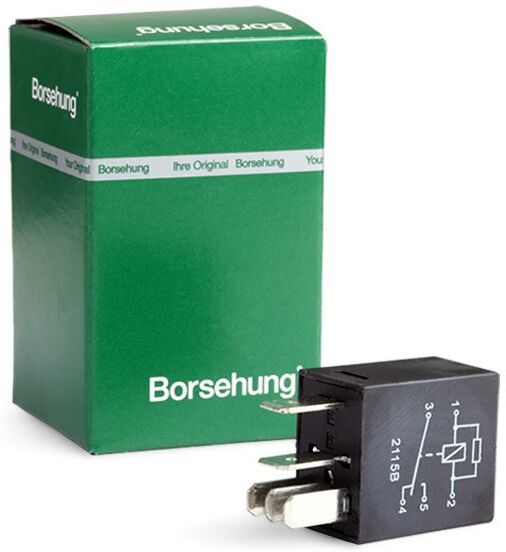
Borsehung B17818 Relay, main currentRelay function: Pre-glow device, X contact relief; Rated Voltage [V]: 12; Number of connectors: 4; Current Strength [A]: 70; Relay Number: 644; Construction Year from: 01/2006, 03/2010, 05/2010, 02/2010, 05/2002, 11/2002, 12/2002, 07/2003, 03/2003, 02/2003, 01/2004, 03/2004, 10/2003, 12/2003, 11/2003, 05/2004, 06/2004, 02/2004, 04/2004, 11/2004, 07/2004, 03/2005, 10/2004, 05/2005, 09/2004, 11/2005, 10/2005, 09/2005, 08/2005, 07/2005, 07/2006, 04/2006, 08/2006, 12/2005, 05/2006, 03/2006, 06/2006, 02/2005, 11/2006, 06/2005, 08/2007, 07/2007, 02/2007, 09/2007, 06/2007, 12/2007, 11/2007, 03/2008, 02/2006, 09/2008, 12/2006, 08/2008, 07/2009, 10/2009, 01/2010, 08/2009, 11/2009, 01/2008, 02/2008, 09/20098,99 £*Shipping: 8,45 £Secure redirect to the provider




-
Can one create phylogenetic trees and cladograms using taxonomy?
Yes, one can create phylogenetic trees and cladograms using taxonomy. Taxonomy, the science of classifying organisms based on shared characteristics, forms the basis for constructing phylogenetic trees and cladograms. By organizing organisms into groups based on their evolutionary relationships, taxonomic classifications can be used to create visual representations of these relationships in the form of phylogenetic trees and cladograms. These tools help researchers understand the evolutionary history and relatedness of different species. **
-
What is the difference between taxonomy and nomenclature in systematics?
Taxonomy is the science of classifying and naming organisms based on their characteristics and evolutionary relationships. It involves identifying, describing, and naming species, as well as organizing them into hierarchical categories like genus and family. Nomenclature, on the other hand, is the system of rules and conventions for naming organisms. It includes the specific rules for assigning scientific names to organisms, ensuring that each species has a unique and universally recognized name. In summary, taxonomy is the science of classification, while nomenclature is the system of naming within that classification system. **
-
Why does the WordPress custom taxonomy not appear in the Gutenberg editor?
The WordPress custom taxonomy does not appear in the Gutenberg editor by default because the Gutenberg editor is designed to primarily handle content creation and editing, while taxonomies are more related to organizing and categorizing content. However, developers can enable the display of custom taxonomies in the Gutenberg editor by using custom code or plugins to integrate the taxonomies into the editor interface. This allows users to easily assign and manage taxonomy terms for their content within the Gutenberg editor. **
-
What is the current global language?
English is often considered the current global language. It is the most widely spoken language in the world and is used as a common language for international communication, business, and diplomacy. Many countries teach English as a second language, and it is the primary language of the internet and international travel. As a result, English has become the dominant language for global interactions. **


How does the global ocean current flow?
The global ocean current flows in a complex pattern driven by a combination of factors such as wind, temperature, salinity, and the Earth's rotation. The major ocean currents form large circular patterns called gyres in each of the ocean basins. These currents are influenced by the Coriolis effect, which causes the water to move in a clockwise direction in the Northern Hemisphere and a counterclockwise direction in the Southern Hemisphere. Additionally, the global ocean current is also influenced by the thermohaline circulation, which is driven by differences in water density due to variations in temperature and salinity. Overall, the global ocean current is a dynamic and interconnected system that plays a crucial role in regulating the Earth's climate and transporting heat around the planet. **
What are the current global conflicts and issues?
Some of the current global conflicts and issues include ongoing conflicts in Syria, Yemen, and Ukraine, as well as tensions between Russia and Ukraine. The Israeli-Palestinian conflict continues to be a source of tension in the Middle East. Additionally, there are ongoing concerns about nuclear proliferation and the potential for conflict between major powers such as the United States, China, and Russia. Other global issues include climate change, refugee crises, and the COVID-19 pandemic. These conflicts and issues have significant implications for global security and stability. **
Top-Angebote
Products related to Taxonomy:
-
Current Softflex Dark Blue Grill Cover For Current Model G and Model G 2.0Protect your investment with the Ocean Colored Current Softflex Cover. It is lightweight yet built to withstand the elements and custom sized to fit your Current grill or griddle. Machine washable, and made to last and stylish.99,99 $*Shipping: 0,00 $Secure redirect to the provider
-
Borsehung B17806 Relay, main currentConstruction Year from: 01/2009, 11/1995, 03/2006, 01/1997, 06/2010, 11/1996, 05/2010, 10/1997, 09/1997, 08/1997, 03/2012, 08/2010, 02/2011, 02/2009, 08/2008, 04/2011, 09/2008, 09/1998, 08/1998, 05/2000, 03/2000, 10/1999, 06/2001, 04/2000, 01/2001, 02/2001, 04/2002, 06/2002, 02/2002, 09/2002, 08/2002, 05/2001, 12/2002, 10/2002, 01/2003, 09/2003, 05/2003, 03/2003, 08/2003, 04/2004, 05/2004, 07/2003, 01/2004, 03/2004, 10/2003, 12/2003, 02/2004, 02/2003, 07/2004, 08/2004, 09/2004, 06/2004, 01/2005, 03/2005, 05/2005, 11/2004, 02/2005, 08/2005, 07/2005, 11/2005, 10/2004, 01/2006, 12/2005, 04/2005, 10/2005, 09/2005, 09/2006, 06/2006, 10/2006, 05/2006, 11/2006, 12/2006, 08/2006, 07/2006, 06/2007, 07/2007, 01/2007, 02/2006, 11/2007, 10/2007, 05/2007, 09/2007, 04/2007, 08/2007, 01/2008, 02/2008, 05/2008, 04/2006, 12/2008, 02/2007, 11/2008, 10/2008, 07/2008, 04/2009, 07/2009, 09/2009, 12/2009, 11/2009, 03/2010, 08/2009, 01/2010, 02/2010, 04/2008, 07/20105,99 £*Shipping: 8,45 £Secure redirect to the provider
-
Borsehung B17818 Relay, main currentRelay function: Pre-glow device, X contact relief; Rated Voltage [V]: 12; Number of connectors: 4; Current Strength [A]: 70; Relay Number: 644; Construction Year from: 01/2006, 03/2010, 05/2010, 02/2010, 05/2002, 11/2002, 12/2002, 07/2003, 03/2003, 02/2003, 01/2004, 03/2004, 10/2003, 12/2003, 11/2003, 05/2004, 06/2004, 02/2004, 04/2004, 11/2004, 07/2004, 03/2005, 10/2004, 05/2005, 09/2004, 11/2005, 10/2005, 09/2005, 08/2005, 07/2005, 07/2006, 04/2006, 08/2006, 12/2005, 05/2006, 03/2006, 06/2006, 02/2005, 11/2006, 06/2005, 08/2007, 07/2007, 02/2007, 09/2007, 06/2007, 12/2007, 11/2007, 03/2008, 02/2006, 09/2008, 12/2006, 08/2008, 07/2009, 10/2009, 01/2010, 08/2009, 11/2009, 01/2008, 02/2008, 09/20098,99 £*Shipping: 8,45 £Secure redirect to the provider
-
Is taxonomy the same as systematics?
Taxonomy and systematics are related fields within biology, but they are not the same. Taxonomy is the science of naming, defining, and classifying organisms into different categories based on their similarities and differences. Systematics, on the other hand, is the study of the evolutionary relationships between different organisms, including their classification and the reconstruction of their evolutionary history. While taxonomy focuses on the naming and categorization of organisms, systematics delves deeper into understanding the evolutionary relationships and patterns among different species. **
-
Can one create family trees and cladograms using taxonomy?
Yes, one can create family trees and cladograms using taxonomy. Taxonomy is the science of classifying organisms into different categories based on their characteristics and evolutionary relationships. By organizing organisms into groups based on their similarities and differences, taxonomists can create family trees that show the evolutionary history and relationships between different species. Cladograms, which are branching diagrams that show these relationships, can also be constructed using taxonomic data to visually represent the evolutionary history of a group of organisms. **
-
Can one create phylogenetic trees and cladograms using taxonomy?
Yes, one can create phylogenetic trees and cladograms using taxonomy. Taxonomy, the science of classifying organisms based on shared characteristics, forms the basis for constructing phylogenetic trees and cladograms. By organizing organisms into groups based on their evolutionary relationships, taxonomic classifications can be used to create visual representations of these relationships in the form of phylogenetic trees and cladograms. These tools help researchers understand the evolutionary history and relatedness of different species. **
-
What is the difference between taxonomy and nomenclature in systematics?
Taxonomy is the science of classifying and naming organisms based on their characteristics and evolutionary relationships. It involves identifying, describing, and naming species, as well as organizing them into hierarchical categories like genus and family. Nomenclature, on the other hand, is the system of rules and conventions for naming organisms. It includes the specific rules for assigning scientific names to organisms, ensuring that each species has a unique and universally recognized name. In summary, taxonomy is the science of classification, while nomenclature is the system of naming within that classification system. **
Similar search terms for Taxonomy
-
Why does the WordPress custom taxonomy not appear in the Gutenberg editor?
The WordPress custom taxonomy does not appear in the Gutenberg editor by default because the Gutenberg editor is designed to primarily handle content creation and editing, while taxonomies are more related to organizing and categorizing content. However, developers can enable the display of custom taxonomies in the Gutenberg editor by using custom code or plugins to integrate the taxonomies into the editor interface. This allows users to easily assign and manage taxonomy terms for their content within the Gutenberg editor. **
-
What is the current global language?
English is often considered the current global language. It is the most widely spoken language in the world and is used as a common language for international communication, business, and diplomacy. Many countries teach English as a second language, and it is the primary language of the internet and international travel. As a result, English has become the dominant language for global interactions. **
-
How does the global ocean current flow?
The global ocean current flows in a complex pattern driven by a combination of factors such as wind, temperature, salinity, and the Earth's rotation. The major ocean currents form large circular patterns called gyres in each of the ocean basins. These currents are influenced by the Coriolis effect, which causes the water to move in a clockwise direction in the Northern Hemisphere and a counterclockwise direction in the Southern Hemisphere. Additionally, the global ocean current is also influenced by the thermohaline circulation, which is driven by differences in water density due to variations in temperature and salinity. Overall, the global ocean current is a dynamic and interconnected system that plays a crucial role in regulating the Earth's climate and transporting heat around the planet. **
-
What are the current global conflicts and issues?
Some of the current global conflicts and issues include ongoing conflicts in Syria, Yemen, and Ukraine, as well as tensions between Russia and Ukraine. The Israeli-Palestinian conflict continues to be a source of tension in the Middle East. Additionally, there are ongoing concerns about nuclear proliferation and the potential for conflict between major powers such as the United States, China, and Russia. Other global issues include climate change, refugee crises, and the COVID-19 pandemic. These conflicts and issues have significant implications for global security and stability. **
* All prices are inclusive of VAT and, if applicable, plus shipping costs. The offer information is based on the details provided by the respective shop and is updated through automated processes. Real-time updates do not occur, so deviations can occur in individual cases. ** Note: Parts of this content were created by AI.