Buy news247.eu ?
We are moving the project
news247.eu .
Are you interested in purchasing the domain
news247.eu ?
domain@kv-gmbh.de · 0541-91531010
Buy news247.eu ?
When does the sundew bloom?
The sundew typically blooms in the summer months, usually from June to August. During this time, the plant produces small, delicate flowers that can vary in color from white to pink. The blooming period is relatively short, lasting only a few weeks, after which the flowers will wither and the plant will focus on seed production. **
How does the sundew catch its prey?
The sundew catches its prey by using its sticky, glandular hairs on its leaves. When an insect lands on the leaf and gets stuck in the sticky substance, the sundew will then slowly curl its leaf around the insect to digest it. **
Similar search terms for Sundew
Top-Angebote
Products related to Sundew:
-
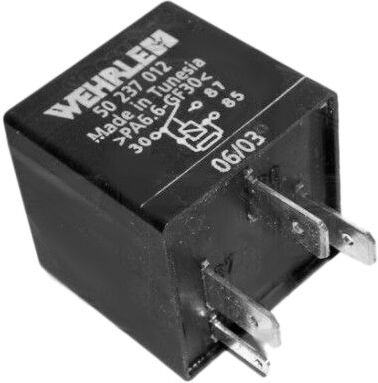
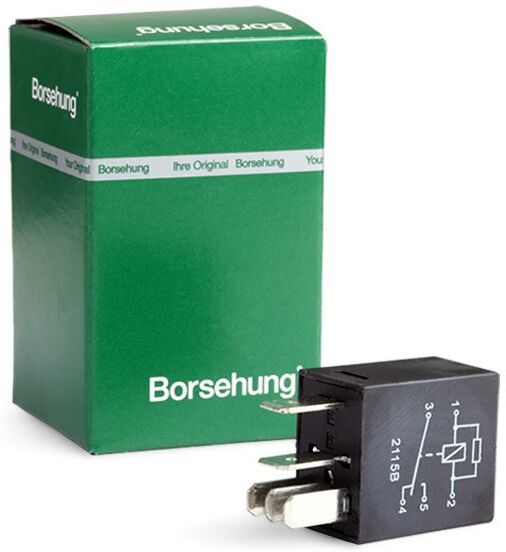
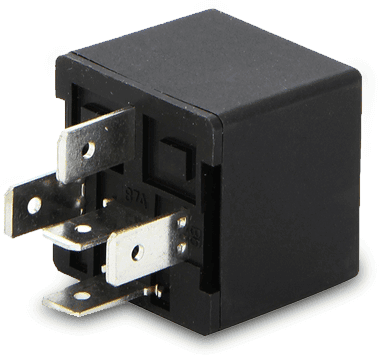
Borsehung B17806 Relay, main currentConstruction Year from: 01/2009, 11/1995, 03/2006, 01/1997, 06/2010, 11/1996, 05/2010, 10/1997, 09/1997, 08/1997, 03/2012, 08/2010, 02/2011, 02/2009, 08/2008, 04/2011, 09/2008, 09/1998, 08/1998, 05/2000, 03/2000, 10/1999, 06/2001, 04/2000, 01/2001, 02/2001, 04/2002, 06/2002, 02/2002, 09/2002, 08/2002, 05/2001, 12/2002, 10/2002, 01/2003, 09/2003, 05/2003, 03/2003, 08/2003, 04/2004, 05/2004, 07/2003, 01/2004, 03/2004, 10/2003, 12/2003, 02/2004, 02/2003, 07/2004, 08/2004, 09/2004, 06/2004, 01/2005, 03/2005, 05/2005, 11/2004, 02/2005, 08/2005, 07/2005, 11/2005, 10/2004, 01/2006, 12/2005, 04/2005, 10/2005, 09/2005, 09/2006, 06/2006, 10/2006, 05/2006, 11/2006, 12/2006, 08/2006, 07/2006, 06/2007, 07/2007, 01/2007, 02/2006, 11/2007, 10/2007, 05/2007, 09/2007, 04/2007, 08/2007, 01/2008, 02/2008, 05/2008, 04/2006, 12/2008, 02/2007, 11/2008, 10/2008, 07/2008, 04/2009, 07/2009, 09/2009, 12/2009, 11/2009, 03/2010, 08/2009, 01/2010, 02/2010, 04/2008, 07/20105,99 £*Shipping: 8,45 £Secure redirect to the provider
-
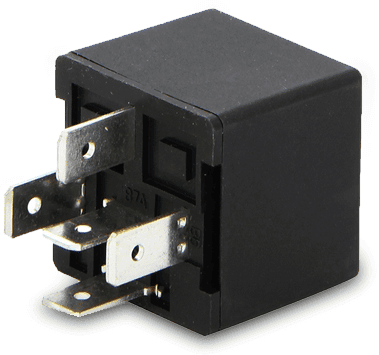
Borsehung B17818 Relay, main currentRelay function: Pre-glow device, X contact relief; Rated Voltage [V]: 12; Number of connectors: 4; Current Strength [A]: 70; Relay Number: 644; Construction Year from: 01/2006, 03/2010, 05/2010, 02/2010, 05/2002, 11/2002, 12/2002, 07/2003, 03/2003, 02/2003, 01/2004, 03/2004, 10/2003, 12/2003, 11/2003, 05/2004, 06/2004, 02/2004, 04/2004, 11/2004, 07/2004, 03/2005, 10/2004, 05/2005, 09/2004, 11/2005, 10/2005, 09/2005, 08/2005, 07/2005, 07/2006, 04/2006, 08/2006, 12/2005, 05/2006, 03/2006, 06/2006, 02/2005, 11/2006, 06/2005, 08/2007, 07/2007, 02/2007, 09/2007, 06/2007, 12/2007, 11/2007, 03/2008, 02/2006, 09/2008, 12/2006, 08/2008, 07/2009, 10/2009, 01/2010, 08/2009, 11/2009, 01/2008, 02/2008, 09/20098,99 £*Shipping: 8,45 £Secure redirect to the provider



-
Why doesn't my sundew produce adhesive droplets?
There are a few possible reasons why your sundew plant may not be producing adhesive droplets. It could be due to insufficient light, as sundews require bright, indirect sunlight to thrive and produce the sticky droplets. Another reason could be lack of nutrients, as sundews need a nutrient-rich growing medium to support their adhesive production. Additionally, environmental factors such as low humidity or improper watering can also affect the plant's ability to produce the sticky droplets. It's important to ensure that your sundew is receiving the proper care and environmental conditions to encourage the production of adhesive droplets. **
-
Why is the sundew not considered a carnivorous plant?
The sundew is considered a carnivorous plant because it captures and digests insects to obtain nutrients. Sundews have specialized tentacles with sticky glands that trap insects, and enzymes that break down their prey. This carnivorous behavior allows sundews to supplement their nutrient intake, especially in nutrient-poor environments. Overall, the sundew's carnivorous nature is a key characteristic that distinguishes it from non-carnivorous plants. **
-
When should I bring in my Venus flytrap and sundew?
You should bring in your Venus flytrap and sundew when the temperature drops below 50°F (10°C) consistently. These plants are sensitive to cold temperatures and will not survive freezing conditions. It's best to bring them indoors before the first frost of the season to ensure their survival. Once inside, place them in a sunny location and continue to provide them with the proper care and conditions they need to thrive. **
-
How do you care for the sundew, a carnivorous plant?
Sundews require a moist, acidic growing medium, such as a mix of peat moss and perlite. They should be watered with distilled water or rainwater to avoid the buildup of minerals that can harm the plant. Sundews thrive in bright, indirect sunlight, so placing them near a south or west-facing window is ideal. They also benefit from occasional feeding with small insects, which can be achieved by placing the plant in a location where it can catch its own prey or by hand-feeding it with small insects. Regularly removing dead leaves and flowers will help keep the plant healthy and encourage new growth. **
What is the current global language?
English is often considered the current global language. It is the most widely spoken language in the world and is used as a common language for international communication, business, and diplomacy. Many countries teach English as a second language, and it is the primary language of the internet and international travel. As a result, English has become the dominant language for global interactions. **
How does the global ocean current flow?
The global ocean current flows in a complex pattern driven by a combination of factors such as wind, temperature, salinity, and the Earth's rotation. The major ocean currents form large circular patterns called gyres in each of the ocean basins. These currents are influenced by the Coriolis effect, which causes the water to move in a clockwise direction in the Northern Hemisphere and a counterclockwise direction in the Southern Hemisphere. Additionally, the global ocean current is also influenced by the thermohaline circulation, which is driven by differences in water density due to variations in temperature and salinity. Overall, the global ocean current is a dynamic and interconnected system that plays a crucial role in regulating the Earth's climate and transporting heat around the planet. **
Top-Angebote
Products related to Sundew:
-
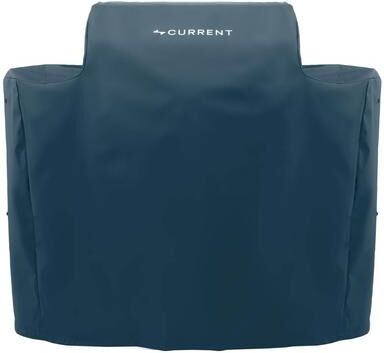
Current Softflex Dark Blue Grill Cover For Current Model G and Model G 2.0Protect your investment with the Ocean Colored Current Softflex Cover. It is lightweight yet built to withstand the elements and custom sized to fit your Current grill or griddle. Machine washable, and made to last and stylish.99,99 $*Shipping: 0,00 $Secure redirect to the provider
-
Borsehung B17806 Relay, main currentConstruction Year from: 01/2009, 11/1995, 03/2006, 01/1997, 06/2010, 11/1996, 05/2010, 10/1997, 09/1997, 08/1997, 03/2012, 08/2010, 02/2011, 02/2009, 08/2008, 04/2011, 09/2008, 09/1998, 08/1998, 05/2000, 03/2000, 10/1999, 06/2001, 04/2000, 01/2001, 02/2001, 04/2002, 06/2002, 02/2002, 09/2002, 08/2002, 05/2001, 12/2002, 10/2002, 01/2003, 09/2003, 05/2003, 03/2003, 08/2003, 04/2004, 05/2004, 07/2003, 01/2004, 03/2004, 10/2003, 12/2003, 02/2004, 02/2003, 07/2004, 08/2004, 09/2004, 06/2004, 01/2005, 03/2005, 05/2005, 11/2004, 02/2005, 08/2005, 07/2005, 11/2005, 10/2004, 01/2006, 12/2005, 04/2005, 10/2005, 09/2005, 09/2006, 06/2006, 10/2006, 05/2006, 11/2006, 12/2006, 08/2006, 07/2006, 06/2007, 07/2007, 01/2007, 02/2006, 11/2007, 10/2007, 05/2007, 09/2007, 04/2007, 08/2007, 01/2008, 02/2008, 05/2008, 04/2006, 12/2008, 02/2007, 11/2008, 10/2008, 07/2008, 04/2009, 07/2009, 09/2009, 12/2009, 11/2009, 03/2010, 08/2009, 01/2010, 02/2010, 04/2008, 07/20105,99 £*Shipping: 8,45 £Secure redirect to the provider
-
Borsehung B17818 Relay, main currentRelay function: Pre-glow device, X contact relief; Rated Voltage [V]: 12; Number of connectors: 4; Current Strength [A]: 70; Relay Number: 644; Construction Year from: 01/2006, 03/2010, 05/2010, 02/2010, 05/2002, 11/2002, 12/2002, 07/2003, 03/2003, 02/2003, 01/2004, 03/2004, 10/2003, 12/2003, 11/2003, 05/2004, 06/2004, 02/2004, 04/2004, 11/2004, 07/2004, 03/2005, 10/2004, 05/2005, 09/2004, 11/2005, 10/2005, 09/2005, 08/2005, 07/2005, 07/2006, 04/2006, 08/2006, 12/2005, 05/2006, 03/2006, 06/2006, 02/2005, 11/2006, 06/2005, 08/2007, 07/2007, 02/2007, 09/2007, 06/2007, 12/2007, 11/2007, 03/2008, 02/2006, 09/2008, 12/2006, 08/2008, 07/2009, 10/2009, 01/2010, 08/2009, 11/2009, 01/2008, 02/2008, 09/20098,99 £*Shipping: 8,45 £Secure redirect to the provider
-
When does the sundew bloom?
The sundew typically blooms in the summer months, usually from June to August. During this time, the plant produces small, delicate flowers that can vary in color from white to pink. The blooming period is relatively short, lasting only a few weeks, after which the flowers will wither and the plant will focus on seed production. **
-
How does the sundew catch its prey?
The sundew catches its prey by using its sticky, glandular hairs on its leaves. When an insect lands on the leaf and gets stuck in the sticky substance, the sundew will then slowly curl its leaf around the insect to digest it. **
-
Why doesn't my sundew produce adhesive droplets?
There are a few possible reasons why your sundew plant may not be producing adhesive droplets. It could be due to insufficient light, as sundews require bright, indirect sunlight to thrive and produce the sticky droplets. Another reason could be lack of nutrients, as sundews need a nutrient-rich growing medium to support their adhesive production. Additionally, environmental factors such as low humidity or improper watering can also affect the plant's ability to produce the sticky droplets. It's important to ensure that your sundew is receiving the proper care and environmental conditions to encourage the production of adhesive droplets. **
-
Why is the sundew not considered a carnivorous plant?
The sundew is considered a carnivorous plant because it captures and digests insects to obtain nutrients. Sundews have specialized tentacles with sticky glands that trap insects, and enzymes that break down their prey. This carnivorous behavior allows sundews to supplement their nutrient intake, especially in nutrient-poor environments. Overall, the sundew's carnivorous nature is a key characteristic that distinguishes it from non-carnivorous plants. **
Similar search terms for Sundew
-
When should I bring in my Venus flytrap and sundew?
You should bring in your Venus flytrap and sundew when the temperature drops below 50°F (10°C) consistently. These plants are sensitive to cold temperatures and will not survive freezing conditions. It's best to bring them indoors before the first frost of the season to ensure their survival. Once inside, place them in a sunny location and continue to provide them with the proper care and conditions they need to thrive. **
-
How do you care for the sundew, a carnivorous plant?
Sundews require a moist, acidic growing medium, such as a mix of peat moss and perlite. They should be watered with distilled water or rainwater to avoid the buildup of minerals that can harm the plant. Sundews thrive in bright, indirect sunlight, so placing them near a south or west-facing window is ideal. They also benefit from occasional feeding with small insects, which can be achieved by placing the plant in a location where it can catch its own prey or by hand-feeding it with small insects. Regularly removing dead leaves and flowers will help keep the plant healthy and encourage new growth. **
-
What is the current global language?
English is often considered the current global language. It is the most widely spoken language in the world and is used as a common language for international communication, business, and diplomacy. Many countries teach English as a second language, and it is the primary language of the internet and international travel. As a result, English has become the dominant language for global interactions. **
-
How does the global ocean current flow?
The global ocean current flows in a complex pattern driven by a combination of factors such as wind, temperature, salinity, and the Earth's rotation. The major ocean currents form large circular patterns called gyres in each of the ocean basins. These currents are influenced by the Coriolis effect, which causes the water to move in a clockwise direction in the Northern Hemisphere and a counterclockwise direction in the Southern Hemisphere. Additionally, the global ocean current is also influenced by the thermohaline circulation, which is driven by differences in water density due to variations in temperature and salinity. Overall, the global ocean current is a dynamic and interconnected system that plays a crucial role in regulating the Earth's climate and transporting heat around the planet. **
* All prices are inclusive of VAT and, if applicable, plus shipping costs. The offer information is based on the details provided by the respective shop and is updated through automated processes. Real-time updates do not occur, so deviations can occur in individual cases. ** Note: Parts of this content were created by AI.