Buy news247.eu ?
We are moving the project
news247.eu .
Are you interested in purchasing the domain
news247.eu ?
domain@kv-gmbh.de · 0541-91531010
Buy news247.eu ?
How is radioactivity formed?
Radioactivity is formed when an unstable atomic nucleus undergoes radioactive decay, emitting particles and energy in the process. This instability can be caused by having an excess of protons or neutrons in the nucleus, leading to an imbalance in the forces holding the nucleus together. The emitted particles can include alpha particles (helium nuclei), beta particles (electrons or positrons), and gamma rays (high-energy photons). The rate at which a radioactive substance decays is measured by its half-life, which is the time it takes for half of the atoms in a sample to decay. **
Does radioactivity taste metallic?
No, radioactivity does not have a taste. Radioactivity refers to the emission of particles or energy from the nucleus of an unstable atom, and it is not a physical substance that can be tasted. The metallic taste that is sometimes associated with radioactivity may be due to exposure to certain metals or chemicals that are radioactive, but the radioactivity itself does not have a taste. **


Similar search terms for Radioactivity
Top-Angebote
Products related to Radioactivity:
-
Current Softflex Dark Blue Grill Cover For Current Model G and Model G 2.0Protect your investment with the Ocean Colored Current Softflex Cover. It is lightweight yet built to withstand the elements and custom sized to fit your Current grill or griddle. Machine washable, and made to last and stylish.99,99 $*Shipping: 0,00 $Secure redirect to the provider
-
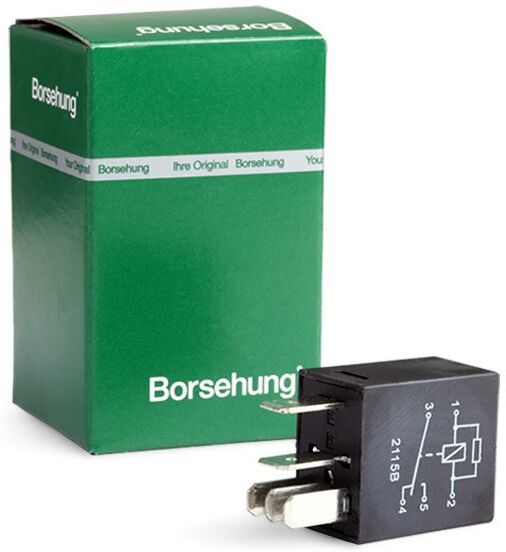
Borsehung B17806 Relay, main currentConstruction Year from: 01/2009, 11/1995, 03/2006, 01/1997, 06/2010, 11/1996, 05/2010, 10/1997, 09/1997, 08/1997, 03/2012, 08/2010, 02/2011, 02/2009, 08/2008, 04/2011, 09/2008, 09/1998, 08/1998, 05/2000, 03/2000, 10/1999, 06/2001, 04/2000, 01/2001, 02/2001, 04/2002, 06/2002, 02/2002, 09/2002, 08/2002, 05/2001, 12/2002, 10/2002, 01/2003, 09/2003, 05/2003, 03/2003, 08/2003, 04/2004, 05/2004, 07/2003, 01/2004, 03/2004, 10/2003, 12/2003, 02/2004, 02/2003, 07/2004, 08/2004, 09/2004, 06/2004, 01/2005, 03/2005, 05/2005, 11/2004, 02/2005, 08/2005, 07/2005, 11/2005, 10/2004, 01/2006, 12/2005, 04/2005, 10/2005, 09/2005, 09/2006, 06/2006, 10/2006, 05/2006, 11/2006, 12/2006, 08/2006, 07/2006, 06/2007, 07/2007, 01/2007, 02/2006, 11/2007, 10/2007, 05/2007, 09/2007, 04/2007, 08/2007, 01/2008, 02/2008, 05/2008, 04/2006, 12/2008, 02/2007, 11/2008, 10/2008, 07/2008, 04/2009, 07/2009, 09/2009, 12/2009, 11/2009, 03/2010, 08/2009, 01/2010, 02/2010, 04/2008, 07/20105,99 £*Shipping: 8,45 £Secure redirect to the provider



-
What exactly is radioactivity?
Radioactivity is the process by which unstable atomic nuclei emit particles or electromagnetic radiation in order to become more stable. This emission can take the form of alpha particles, beta particles, or gamma rays. Radioactive materials have an excess of energy or mass, which they release in the form of radiation until they reach a stable state. This radiation can be harmful to living organisms if they are exposed to it in high doses. **
-
How is radioactivity created?
Radioactivity is created when an unstable atomic nucleus undergoes radioactive decay, emitting particles and energy in the process. This decay can occur spontaneously or be induced through processes like nuclear fission or fusion. Radioactive elements have an excess of energy or mass in their nuclei, leading to instability and the release of radiation as they decay into more stable forms. This radiation can take the form of alpha particles, beta particles, gamma rays, or neutrons. **
-
Does radioactivity disrupt electricity?
Radioactivity itself does not disrupt electricity. However, in certain situations, radioactive materials can interfere with electrical equipment. For example, high levels of radiation can cause electrical components to malfunction or even fail. Additionally, radioactive materials can generate heat, which can potentially affect the performance of electrical systems. Overall, while radioactivity does not directly disrupt electricity, it can have indirect effects on electrical equipment in certain circumstances. **
-
What is meant by radioactivity?
Radioactivity is the process by which unstable atomic nuclei emit particles or electromagnetic radiation in order to become more stable. This emission can take the form of alpha particles, beta particles, or gamma rays. Radioactive decay is a random process, and the rate at which it occurs is measured by the half-life of the radioactive material. **


How much radioactivity is normal?
Normal levels of radioactivity can vary depending on the specific location and environment. In general, background radiation levels are typically around 0.1 to 0.2 microsieverts per hour (µSv/h) in most parts of the world. However, certain areas may have higher natural background radiation levels due to factors such as the presence of radioactive minerals in the soil or rocks. It's important to note that exposure to higher levels of radioactivity, whether from natural or man-made sources, can pose health risks, so it's important to monitor and limit exposure when possible. **
What is radioactivity in physics?
Radioactivity in physics refers to the process by which certain unstable atomic nuclei emit radiation in the form of particles or electromagnetic waves. This emission occurs as the nucleus undergoes a spontaneous decay, transforming into a more stable configuration. The three main types of radiation emitted during radioactive decay are alpha particles, beta particles, and gamma rays. Radioactivity plays a crucial role in various fields, including nuclear physics, medicine, and energy production. **
Top-Angebote
Products related to Radioactivity:
-
AVAST Ultimate (1 Year / 1 PC) Latest Version + Free UpdatesProtect your digital world with AVAST Ultimate (1 Year / 1 PC) Latest Version + Free Updates. Download and Installation: Begin by downloading and installing AVAST Ultimate's trial version. Activation: Launch AVAST and go to "Subscription Status." Click "Activate" and enter the provided activation code. Completion: After entering the code, confirm and click "Finish" to activate your subscription. Key Features: Comprehensive Protection: Avail top-notch antivirus, anti-malware, and firewall technologies for robust defense against digital threats. Free Updates: Enjoy continuous updates throughout the year, ensuring your protection stays ahead of emerging threats. Privacy Enhancements: Advanced features like VPN and password management fortify your online privacy. Performance Optimization: Maintain optimal system performance with AVAST's efficient resource management. 24/7 Support: Access round-the-clock customer support for any queries or assistance. System Requirements: PC: Windows 10, 8.1, 8, or 7 (both 32- and 64-bit versions, excluding Starter and RT editions), 1 GB RAM, and 2 GB of hard disk space. Mac: macOS 10.10 (Mavericks) or later. Android: Google Android 5 (Lollipop, API 21) or higher. iOS: iOS 12.0 or higher. All devices require an internet connection for automatic security and program updates. Ensure compatibility across your devices and operating systems, and stay protected against evolving cyber threats with AVAST Ultimate (1 Year / 1 PC) Latest Version + Free Updates.24,90 £*Shipping: 0,00 £Secure redirect to the provider
-
McAfee Internet Security (1 year, 1 device) Latest Version + Free UpdatesMcAfee® Internet Security provides trusted virus and identity protection for your device, ensuring secure online experiences. Key features : Virus and Malware Protection: Safeguard your device from viruses, malware, and other online threats. Identity Protection: Prevent identity theft and protect your personal information with advanced security measures. Secure Web Browsing: Browse the internet safely with real-time scanning of websites for potential threats. Firewall Security: Protect your device and network from unauthorized access with a robust firewall. True Key App: Simplify password management and enhance security with biometric authentication. System Requirements for MaAfee Internet Security: Operating System: Compatible with Windows, macOS, Android, and iOS devices Processor: 1 GHz or faster RAM: 2 GB (Windows/macOS), 1 GB (Android), 512 MB (iOS) Disk Space: 500 MB (Windows), 600 MB (macOS), varies (Android, iOS) Internet Connection: Required for product activation, updates, and online features. With McAfee® Internet Security, you can confidently navigate the online world knowing that your devices and personal information are protected by trusted security solutions.8,00 £*Shipping: 0,00 £Secure redirect to the provider
-
Current Softflex Dark Blue Grill Cover For Current Model G and Model G 2.0Protect your investment with the Ocean Colored Current Softflex Cover. It is lightweight yet built to withstand the elements and custom sized to fit your Current grill or griddle. Machine washable, and made to last and stylish.99,99 $*Shipping: 0,00 $Secure redirect to the provider
-
Borsehung B17806 Relay, main currentConstruction Year from: 01/2009, 11/1995, 03/2006, 01/1997, 06/2010, 11/1996, 05/2010, 10/1997, 09/1997, 08/1997, 03/2012, 08/2010, 02/2011, 02/2009, 08/2008, 04/2011, 09/2008, 09/1998, 08/1998, 05/2000, 03/2000, 10/1999, 06/2001, 04/2000, 01/2001, 02/2001, 04/2002, 06/2002, 02/2002, 09/2002, 08/2002, 05/2001, 12/2002, 10/2002, 01/2003, 09/2003, 05/2003, 03/2003, 08/2003, 04/2004, 05/2004, 07/2003, 01/2004, 03/2004, 10/2003, 12/2003, 02/2004, 02/2003, 07/2004, 08/2004, 09/2004, 06/2004, 01/2005, 03/2005, 05/2005, 11/2004, 02/2005, 08/2005, 07/2005, 11/2005, 10/2004, 01/2006, 12/2005, 04/2005, 10/2005, 09/2005, 09/2006, 06/2006, 10/2006, 05/2006, 11/2006, 12/2006, 08/2006, 07/2006, 06/2007, 07/2007, 01/2007, 02/2006, 11/2007, 10/2007, 05/2007, 09/2007, 04/2007, 08/2007, 01/2008, 02/2008, 05/2008, 04/2006, 12/2008, 02/2007, 11/2008, 10/2008, 07/2008, 04/2009, 07/2009, 09/2009, 12/2009, 11/2009, 03/2010, 08/2009, 01/2010, 02/2010, 04/2008, 07/20105,99 £*Shipping: 8,45 £Secure redirect to the provider
-
How is radioactivity formed?
Radioactivity is formed when an unstable atomic nucleus undergoes radioactive decay, emitting particles and energy in the process. This instability can be caused by having an excess of protons or neutrons in the nucleus, leading to an imbalance in the forces holding the nucleus together. The emitted particles can include alpha particles (helium nuclei), beta particles (electrons or positrons), and gamma rays (high-energy photons). The rate at which a radioactive substance decays is measured by its half-life, which is the time it takes for half of the atoms in a sample to decay. **
-
Does radioactivity taste metallic?
No, radioactivity does not have a taste. Radioactivity refers to the emission of particles or energy from the nucleus of an unstable atom, and it is not a physical substance that can be tasted. The metallic taste that is sometimes associated with radioactivity may be due to exposure to certain metals or chemicals that are radioactive, but the radioactivity itself does not have a taste. **
-
What exactly is radioactivity?
Radioactivity is the process by which unstable atomic nuclei emit particles or electromagnetic radiation in order to become more stable. This emission can take the form of alpha particles, beta particles, or gamma rays. Radioactive materials have an excess of energy or mass, which they release in the form of radiation until they reach a stable state. This radiation can be harmful to living organisms if they are exposed to it in high doses. **
-
How is radioactivity created?
Radioactivity is created when an unstable atomic nucleus undergoes radioactive decay, emitting particles and energy in the process. This decay can occur spontaneously or be induced through processes like nuclear fission or fusion. Radioactive elements have an excess of energy or mass in their nuclei, leading to instability and the release of radiation as they decay into more stable forms. This radiation can take the form of alpha particles, beta particles, gamma rays, or neutrons. **
Similar search terms for Radioactivity
-
Borsehung B17802 Relay, main currentVoltage [V]: 12; Weight [kg]: 0,025; Number of connectors: 4; Current Strength [A]: 30; Supplementary Article / Supplementary Info: with holder; Construction Year from: 11/2005, 10/2005, 08/2005, 07/2008, 01/2002, 06/2002, 04/2002, 02/2002, 03/2004, 06/2004, 04/2003, 07/2005, 09/2005, 02/2003, 09/2002, 12/2003, 03/2003, 11/2003, 01/20115,29 £*Shipping: 8,45 £Secure redirect to the provider
-
Borsehung B17818 Relay, main currentRelay function: Pre-glow device, X contact relief; Rated Voltage [V]: 12; Number of connectors: 4; Current Strength [A]: 70; Relay Number: 644; Construction Year from: 01/2006, 03/2010, 05/2010, 02/2010, 05/2002, 11/2002, 12/2002, 07/2003, 03/2003, 02/2003, 01/2004, 03/2004, 10/2003, 12/2003, 11/2003, 05/2004, 06/2004, 02/2004, 04/2004, 11/2004, 07/2004, 03/2005, 10/2004, 05/2005, 09/2004, 11/2005, 10/2005, 09/2005, 08/2005, 07/2005, 07/2006, 04/2006, 08/2006, 12/2005, 05/2006, 03/2006, 06/2006, 02/2005, 11/2006, 06/2005, 08/2007, 07/2007, 02/2007, 09/2007, 06/2007, 12/2007, 11/2007, 03/2008, 02/2006, 09/2008, 12/2006, 08/2008, 07/2009, 10/2009, 01/2010, 08/2009, 11/2009, 01/2008, 02/2008, 09/20098,99 £*Shipping: 8,45 £Secure redirect to the provider
-
Does radioactivity disrupt electricity?
Radioactivity itself does not disrupt electricity. However, in certain situations, radioactive materials can interfere with electrical equipment. For example, high levels of radiation can cause electrical components to malfunction or even fail. Additionally, radioactive materials can generate heat, which can potentially affect the performance of electrical systems. Overall, while radioactivity does not directly disrupt electricity, it can have indirect effects on electrical equipment in certain circumstances. **
-
What is meant by radioactivity?
Radioactivity is the process by which unstable atomic nuclei emit particles or electromagnetic radiation in order to become more stable. This emission can take the form of alpha particles, beta particles, or gamma rays. Radioactive decay is a random process, and the rate at which it occurs is measured by the half-life of the radioactive material. **
-
How much radioactivity is normal?
Normal levels of radioactivity can vary depending on the specific location and environment. In general, background radiation levels are typically around 0.1 to 0.2 microsieverts per hour (µSv/h) in most parts of the world. However, certain areas may have higher natural background radiation levels due to factors such as the presence of radioactive minerals in the soil or rocks. It's important to note that exposure to higher levels of radioactivity, whether from natural or man-made sources, can pose health risks, so it's important to monitor and limit exposure when possible. **
-
What is radioactivity in physics?
Radioactivity in physics refers to the process by which certain unstable atomic nuclei emit radiation in the form of particles or electromagnetic waves. This emission occurs as the nucleus undergoes a spontaneous decay, transforming into a more stable configuration. The three main types of radiation emitted during radioactive decay are alpha particles, beta particles, and gamma rays. Radioactivity plays a crucial role in various fields, including nuclear physics, medicine, and energy production. **
* All prices are inclusive of VAT and, if applicable, plus shipping costs. The offer information is based on the details provided by the respective shop and is updated through automated processes. Real-time updates do not occur, so deviations can occur in individual cases. ** Note: Parts of this content were created by AI.