Buy news247.eu ?
We are moving the project
news247.eu .
Are you interested in purchasing the domain
news247.eu ?
domain@kv-gmbh.de · 0541-91531010
Buy news247.eu ?
What are the advantages and disadvantages of global division of labor?
One advantage of global division of labor is increased efficiency and productivity as countries can specialize in producing goods and services that they have a comparative advantage in. This can lead to lower costs for consumers and increased economic growth. However, a disadvantage is the potential for exploitation of workers in developing countries, as companies may seek out lower labor costs without ensuring fair wages and working conditions. Additionally, global division of labor can lead to job displacement in certain industries in developed countries, causing economic challenges for those workers. **
What does international division of labor, global player, and ecological footprint mean?
The international division of labor refers to the allocation of different tasks and functions across different countries in the global economy. This division allows countries to specialize in the production of goods and services in which they have a comparative advantage, leading to increased efficiency and productivity. A global player is a company or organization that operates on a global scale, with a presence in multiple countries and a significant impact on the global economy. These companies often have a large market share and influence in multiple industries. Ecological footprint refers to the impact of human activities on the environment, particularly in terms of resource consumption and waste production. It measures the amount of biologically productive land and sea area required to sustain a population's consumption and absorb its waste. A high ecological footprint indicates a large environmental impact and potential strain on natural resources. **

Similar search terms for Division
Top-Angebote
Products related to Division:
-
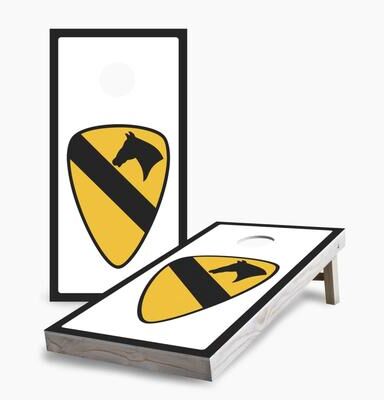
Skip's Garage 1st Cavalry Division Cornhole Boards"Includes: (2) Cornhole Boards & (8) Bags. Boards are Regulation Sized 24"" Wide x 48"" Long. Bags Will Complement The Board Colors. Easily Message Us Bag Color Requests. Easily Add a Carry Cases, Lights, or Both!"258,99 $*Shipping: 0,00 $Secure redirect to the provider
-
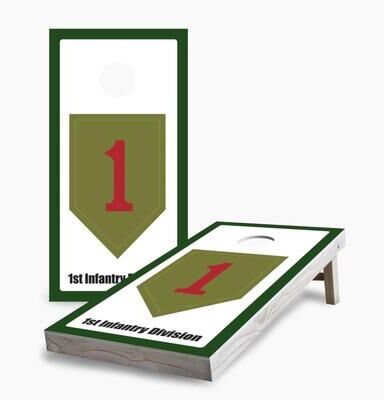
Skip's Garage 1st Infantry Division Cornhole Boards"Includes: (2) Cornhole Boards & (8) Bags. Boards are Regulation Sized 24"" Wide x 48"" Long. Bags Will Complement The Board Colors. Easily Message Us Bag Color Requests. Easily Add a Carry Cases, Lights, or Both!"253,49 $*Shipping: 0,00 $Secure redirect to the provider
-
Skip's Garage 1st Infantry Division Cornhole Boards"Includes: (2) Cornhole Boards & (8) Bags. Boards are Regulation Sized 24"" Wide x 48"" Long. Bags Will Complement The Board Colors. Easily Message Us Bag Color Requests. Easily Add a Carry Cases, Lights, or Both!"303,49 $*Shipping: 0,00 $Secure redirect to the provider
-
Skip's Garage 1st Infantry Division Cornhole Boards"Includes: (2) Cornhole Boards & (8) Bags. Boards are Regulation Sized 24"" Wide x 48"" Long. Bags Will Complement The Board Colors. Easily Message Us Bag Color Requests. Easily Add a Carry Cases, Lights, or Both!"303,49 $*Shipping: 0,00 $Secure redirect to the provider


-
What is the difference between cell division and nuclear division?
Cell division refers to the process by which a parent cell divides into two or more daughter cells. It involves both nuclear division and cytokinesis. Nuclear division, on the other hand, specifically refers to the division of the nucleus within a cell, which includes processes such as mitosis and meiosis. In summary, cell division involves the division of the entire cell, while nuclear division specifically involves the division of the nucleus within the cell. **
-
What is the difference between nuclear division and cell division?
Nuclear division refers to the process of dividing the nucleus of a cell, which includes both mitosis and meiosis. Mitosis is the process of nuclear division that results in two identical daughter nuclei, while meiosis is the process of nuclear division that results in four genetically diverse daughter nuclei. On the other hand, cell division refers to the process of dividing the entire cell, including both the nucleus and the cytoplasm. This process includes cytokinesis, which is the division of the cytoplasm to form two separate daughter cells. In summary, nuclear division specifically refers to the division of the nucleus, while cell division encompasses the division of the entire cell. **
-
What is the formula for voltage division in a current divider?
The formula for voltage division in a current divider is V1 = (R1 / (R1 + R2)) * V, where V1 is the voltage across R1, R1 and R2 are the resistances of the two branches, and V is the total voltage across the divider. This formula shows that the voltage across R1 is proportional to its resistance relative to the total resistance of the divider. As R1 increases relative to R2, the voltage across R1 also increases. **
-
What is cell division?
Cell division is the process by which a parent cell divides into two or more daughter cells. This is a crucial mechanism for growth, repair, and reproduction in living organisms. There are two main types of cell division: mitosis, which produces two identical daughter cells, and meiosis, which produces four genetically diverse daughter cells. Cell division is tightly regulated to ensure the proper distribution of genetic material and organelles to the daughter cells. **

How does the division of a stem cell differ from regular cell division?
The division of a stem cell differs from regular cell division in that stem cells have the unique ability to divide and produce both identical stem cells (self-renewal) and differentiate into specialized cell types (differentiation). This process allows stem cells to replenish and repair tissues in the body. In contrast, regular cell division typically results in the production of two identical daughter cells with the same specialized function. Additionally, stem cells have the potential to divide asymmetrically, producing one stem cell and one specialized cell, which is crucial for maintaining tissue homeostasis and regeneration. **
What is the maturity division?
The maturity division is a concept in developmental psychology that refers to the different stages of cognitive development in children. It was proposed by the psychologist Jean Piaget and is characterized by distinct age ranges and cognitive abilities. The four stages of the maturity division are the sensorimotor stage (0-2 years), the preoperational stage (2-7 years), the concrete operational stage (7-11 years), and the formal operational stage (11 years and older). Each stage represents a different level of cognitive functioning and understanding of the world. **
Top-Angebote
Products related to Division:
-
Skip's Garage 1st Cavalry Division Cornhole Boards"Includes: (2) Cornhole Boards & (8) Bags. Boards are Regulation Sized 24"" Wide x 48"" Long. Bags Will Complement The Board Colors. Easily Message Us Bag Color Requests. Easily Add a Carry Cases, Lights, or Both!"349,99 $*Shipping: 0,00 $Secure redirect to the provider
-
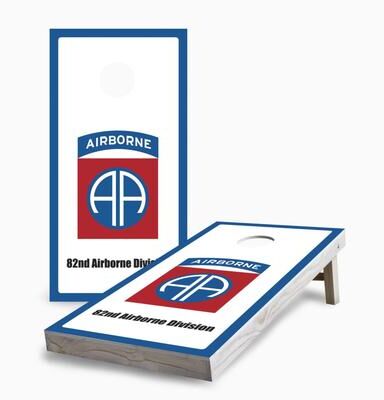
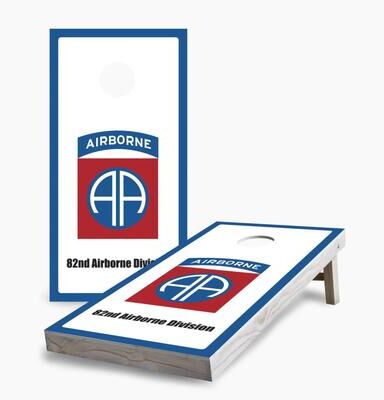
Skip's Garage 82nd Airborne Division Cornhole Boards"Includes: (2) Cornhole Boards & (8) Bags. Boards are Regulation Sized 24"" Wide x 48"" Long. Bags Will Complement The Board Colors. Easily Message Us Bag Color Requests. Easily Add a Carry Cases, Lights, or Both!"315,99 $*Shipping: 0,00 $Secure redirect to the provider
-
Skip's Garage 1st Cavalry Division Cornhole Boards"Includes: (2) Cornhole Boards & (8) Bags. Boards are Regulation Sized 24"" Wide x 48"" Long. Bags Will Complement The Board Colors. Easily Message Us Bag Color Requests. Easily Add a Carry Cases, Lights, or Both!"258,99 $*Shipping: 0,00 $Secure redirect to the provider
-
Skip's Garage 1st Infantry Division Cornhole Boards"Includes: (2) Cornhole Boards & (8) Bags. Boards are Regulation Sized 24"" Wide x 48"" Long. Bags Will Complement The Board Colors. Easily Message Us Bag Color Requests. Easily Add a Carry Cases, Lights, or Both!"253,49 $*Shipping: 0,00 $Secure redirect to the provider
-
What are the advantages and disadvantages of global division of labor?
One advantage of global division of labor is increased efficiency and productivity as countries can specialize in producing goods and services that they have a comparative advantage in. This can lead to lower costs for consumers and increased economic growth. However, a disadvantage is the potential for exploitation of workers in developing countries, as companies may seek out lower labor costs without ensuring fair wages and working conditions. Additionally, global division of labor can lead to job displacement in certain industries in developed countries, causing economic challenges for those workers. **
-
What does international division of labor, global player, and ecological footprint mean?
The international division of labor refers to the allocation of different tasks and functions across different countries in the global economy. This division allows countries to specialize in the production of goods and services in which they have a comparative advantage, leading to increased efficiency and productivity. A global player is a company or organization that operates on a global scale, with a presence in multiple countries and a significant impact on the global economy. These companies often have a large market share and influence in multiple industries. Ecological footprint refers to the impact of human activities on the environment, particularly in terms of resource consumption and waste production. It measures the amount of biologically productive land and sea area required to sustain a population's consumption and absorb its waste. A high ecological footprint indicates a large environmental impact and potential strain on natural resources. **
-
What is the difference between cell division and nuclear division?
Cell division refers to the process by which a parent cell divides into two or more daughter cells. It involves both nuclear division and cytokinesis. Nuclear division, on the other hand, specifically refers to the division of the nucleus within a cell, which includes processes such as mitosis and meiosis. In summary, cell division involves the division of the entire cell, while nuclear division specifically involves the division of the nucleus within the cell. **
-
What is the difference between nuclear division and cell division?
Nuclear division refers to the process of dividing the nucleus of a cell, which includes both mitosis and meiosis. Mitosis is the process of nuclear division that results in two identical daughter nuclei, while meiosis is the process of nuclear division that results in four genetically diverse daughter nuclei. On the other hand, cell division refers to the process of dividing the entire cell, including both the nucleus and the cytoplasm. This process includes cytokinesis, which is the division of the cytoplasm to form two separate daughter cells. In summary, nuclear division specifically refers to the division of the nucleus, while cell division encompasses the division of the entire cell. **
Similar search terms for Division
-
Skip's Garage 1st Infantry Division Cornhole Boards"Includes: (2) Cornhole Boards & (8) Bags. Boards are Regulation Sized 24"" Wide x 48"" Long. Bags Will Complement The Board Colors. Easily Message Us Bag Color Requests. Easily Add a Carry Cases, Lights, or Both!"303,49 $*Shipping: 0,00 $Secure redirect to the provider
-
Skip's Garage 1st Infantry Division Cornhole Boards"Includes: (2) Cornhole Boards & (8) Bags. Boards are Regulation Sized 24"" Wide x 48"" Long. Bags Will Complement The Board Colors. Easily Message Us Bag Color Requests. Easily Add a Carry Cases, Lights, or Both!"303,49 $*Shipping: 0,00 $Secure redirect to the provider
-
Skip's Garage 1st Infantry Division Cornhole Boards"Includes: (2) Cornhole Boards & (8) Bags. Boards are Regulation Sized 24"" Wide x 48"" Long. Bags Will Complement The Board Colors. Easily Message Us Bag Color Requests. Easily Add a Carry Cases, Lights, or Both!"303,49 $*Shipping: 0,00 $Secure redirect to the provider
-
Skip's Garage 82nd Airborne Division Cornhole Boards"Includes: (2) Cornhole Boards & (8) Bags. Boards are Regulation Sized 24"" Wide x 48"" Long. Bags Will Complement The Board Colors. Easily Message Us Bag Color Requests. Easily Add a Carry Cases, Lights, or Both!"315,99 $*Shipping: 0,00 $Secure redirect to the provider
-
What is the formula for voltage division in a current divider?
The formula for voltage division in a current divider is V1 = (R1 / (R1 + R2)) * V, where V1 is the voltage across R1, R1 and R2 are the resistances of the two branches, and V is the total voltage across the divider. This formula shows that the voltage across R1 is proportional to its resistance relative to the total resistance of the divider. As R1 increases relative to R2, the voltage across R1 also increases. **
-
What is cell division?
Cell division is the process by which a parent cell divides into two or more daughter cells. This is a crucial mechanism for growth, repair, and reproduction in living organisms. There are two main types of cell division: mitosis, which produces two identical daughter cells, and meiosis, which produces four genetically diverse daughter cells. Cell division is tightly regulated to ensure the proper distribution of genetic material and organelles to the daughter cells. **
-
How does the division of a stem cell differ from regular cell division?
The division of a stem cell differs from regular cell division in that stem cells have the unique ability to divide and produce both identical stem cells (self-renewal) and differentiate into specialized cell types (differentiation). This process allows stem cells to replenish and repair tissues in the body. In contrast, regular cell division typically results in the production of two identical daughter cells with the same specialized function. Additionally, stem cells have the potential to divide asymmetrically, producing one stem cell and one specialized cell, which is crucial for maintaining tissue homeostasis and regeneration. **
-
What is the maturity division?
The maturity division is a concept in developmental psychology that refers to the different stages of cognitive development in children. It was proposed by the psychologist Jean Piaget and is characterized by distinct age ranges and cognitive abilities. The four stages of the maturity division are the sensorimotor stage (0-2 years), the preoperational stage (2-7 years), the concrete operational stage (7-11 years), and the formal operational stage (11 years and older). Each stage represents a different level of cognitive functioning and understanding of the world. **
* All prices are inclusive of VAT and, if applicable, plus shipping costs. The offer information is based on the details provided by the respective shop and is updated through automated processes. Real-time updates do not occur, so deviations can occur in individual cases. ** Note: Parts of this content were created by AI.