Buy news247.eu ?
We are moving the project
news247.eu .
Are you interested in purchasing the domain
news247.eu ?
domain@kv-gmbh.de · 0541-91531010
Buy news247.eu ?
How to create a titration curve of a conductivity titration?
To create a titration curve of a conductivity titration, you would first need to set up your titration apparatus with a conductivity meter. Begin by measuring the initial conductivity of the solution being titrated. As you add titrant incrementally, record the conductivity at each point. Plot the conductivity values against the volume of titrant added to create a titration curve. The curve will typically show a sharp increase in conductivity at the equivalence point, allowing you to determine the endpoint of the titration. **
How does a titration with the degree of titration work?
A titration with the degree of titration works by gradually adding a titrant of known concentration to a solution of the analyte until the reaction between the two is complete. The point at which the reaction is complete is determined by using an indicator or a pH meter. The amount of titrant required to reach this point is used to calculate the concentration of the analyte in the original solution. The degree of titration refers to the extent to which the reaction has progressed and is typically expressed as a percentage. **


Similar search terms for Titration
Top-Angebote
Products related to Titration:
-
Current Softflex Dark Blue Grill Cover For Current Model G and Model G 2.0Protect your investment with the Ocean Colored Current Softflex Cover. It is lightweight yet built to withstand the elements and custom sized to fit your Current grill or griddle. Machine washable, and made to last and stylish.99,99 $*Shipping: 0,00 $Secure redirect to the provider
-
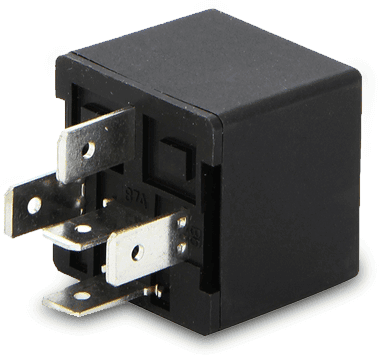
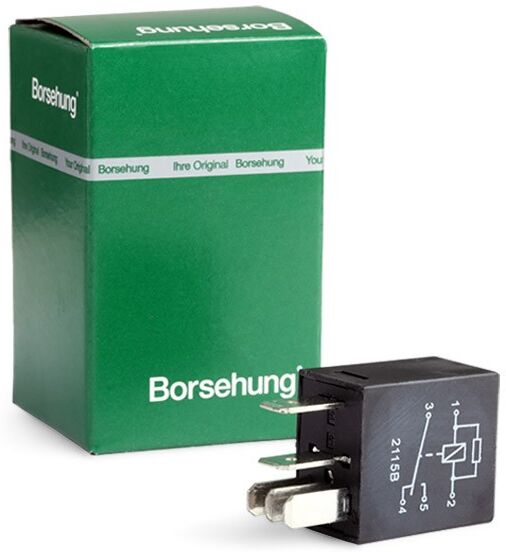
Borsehung B17802 Relay, main currentVoltage [V]: 12; Weight [kg]: 0,025; Number of connectors: 4; Current Strength [A]: 30; Supplementary Article / Supplementary Info: with holder; Construction Year from: 11/2005, 10/2005, 08/2005, 07/2008, 01/2002, 06/2002, 04/2002, 02/2002, 03/2004, 06/2004, 04/2003, 07/2005, 09/2005, 02/2003, 09/2002, 12/2003, 03/2003, 11/2003, 01/20115,29 £*Shipping: 8,45 £Secure redirect to the provider
-
Borsehung B17806 Relay, main currentConstruction Year from: 01/2009, 11/1995, 03/2006, 01/1997, 06/2010, 11/1996, 05/2010, 10/1997, 09/1997, 08/1997, 03/2012, 08/2010, 02/2011, 02/2009, 08/2008, 04/2011, 09/2008, 09/1998, 08/1998, 05/2000, 03/2000, 10/1999, 06/2001, 04/2000, 01/2001, 02/2001, 04/2002, 06/2002, 02/2002, 09/2002, 08/2002, 05/2001, 12/2002, 10/2002, 01/2003, 09/2003, 05/2003, 03/2003, 08/2003, 04/2004, 05/2004, 07/2003, 01/2004, 03/2004, 10/2003, 12/2003, 02/2004, 02/2003, 07/2004, 08/2004, 09/2004, 06/2004, 01/2005, 03/2005, 05/2005, 11/2004, 02/2005, 08/2005, 07/2005, 11/2005, 10/2004, 01/2006, 12/2005, 04/2005, 10/2005, 09/2005, 09/2006, 06/2006, 10/2006, 05/2006, 11/2006, 12/2006, 08/2006, 07/2006, 06/2007, 07/2007, 01/2007, 02/2006, 11/2007, 10/2007, 05/2007, 09/2007, 04/2007, 08/2007, 01/2008, 02/2008, 05/2008, 04/2006, 12/2008, 02/2007, 11/2008, 10/2008, 07/2008, 04/2009, 07/2009, 09/2009, 12/2009, 11/2009, 03/2010, 08/2009, 01/2010, 02/2010, 04/2008, 07/20105,99 £*Shipping: 8,45 £Secure redirect to the provider


-
What is a titration?
A titration is a laboratory technique used to determine the concentration of a specific substance in a solution. It involves slowly adding a solution of known concentration (titrant) to a solution of unknown concentration until the reaction between the two is complete. The point at which the reaction is complete is called the equivalence point, which is used to calculate the concentration of the unknown solution. Titration is commonly used in chemistry for various purposes, such as determining the acidity or alkalinity of a solution. **
-
How does titration work?
Titration is a technique used in chemistry to determine the concentration of a specific substance in a solution. It involves slowly adding a solution of known concentration (titrant) to a solution of unknown concentration until the reaction between the two is complete. This is typically indicated by a color change or other observable change. By measuring the volume of titrant required to reach the endpoint, the concentration of the unknown solution can be calculated using stoichiometry. **
-
Can the titration volume be calculated without having performed the titration beforehand?
No, the titration volume cannot be accurately calculated without having performed the titration beforehand. The titration volume is determined by the amount of titrant needed to reach the equivalence point, which can only be determined through the actual titration process. The titration volume is a crucial parameter in determining the concentration of the analyte in the sample, so it is essential to perform the titration to obtain this information accurately. **
-
What does a titration curve look like when no titration is performed?
When no titration is performed, a titration curve would simply be a straight horizontal line at the initial pH of the solution being tested. This is because there would be no addition of titrant to cause any changes in pH. The curve would remain flat and unchanging until a titrant is added to initiate the titration process. **


What is the difference between a pH-metric titration and an indicator titration?
A pH-metric titration involves the use of a pH meter to measure the pH of a solution as a titrant is added to it. This allows for a precise determination of the equivalence point of the titration. On the other hand, an indicator titration uses a chemical indicator that changes color at or near the equivalence point to signal the end of the titration. While pH-metric titrations provide more accurate and precise results, indicator titrations are simpler and more commonly used in introductory chemistry labs. **
What is a back titration?
A back titration is a technique used in analytical chemistry to determine the concentration of an analyte that reacts slowly or incompletely with a direct titration method. It involves adding an excess of a known reagent to the analyte, allowing the reaction to proceed, and then titrating the excess reagent that did not react with a second titrant. By measuring the amount of the second titrant required to react with the excess reagent, the concentration of the analyte can be calculated. Back titrations are particularly useful when the analyte is volatile, weakly acidic or basic, or when there are interfering substances present. **
Top-Angebote
Products related to Titration:
-
AVAST Ultimate (1 Year / 1 PC) Latest Version + Free UpdatesProtect your digital world with AVAST Ultimate (1 Year / 1 PC) Latest Version + Free Updates. Download and Installation: Begin by downloading and installing AVAST Ultimate's trial version. Activation: Launch AVAST and go to "Subscription Status." Click "Activate" and enter the provided activation code. Completion: After entering the code, confirm and click "Finish" to activate your subscription. Key Features: Comprehensive Protection: Avail top-notch antivirus, anti-malware, and firewall technologies for robust defense against digital threats. Free Updates: Enjoy continuous updates throughout the year, ensuring your protection stays ahead of emerging threats. Privacy Enhancements: Advanced features like VPN and password management fortify your online privacy. Performance Optimization: Maintain optimal system performance with AVAST's efficient resource management. 24/7 Support: Access round-the-clock customer support for any queries or assistance. System Requirements: PC: Windows 10, 8.1, 8, or 7 (both 32- and 64-bit versions, excluding Starter and RT editions), 1 GB RAM, and 2 GB of hard disk space. Mac: macOS 10.10 (Mavericks) or later. Android: Google Android 5 (Lollipop, API 21) or higher. iOS: iOS 12.0 or higher. All devices require an internet connection for automatic security and program updates. Ensure compatibility across your devices and operating systems, and stay protected against evolving cyber threats with AVAST Ultimate (1 Year / 1 PC) Latest Version + Free Updates.24,90 £*Shipping: 0,00 £Secure redirect to the provider
-
McAfee Internet Security (1 year, 1 device) Latest Version + Free UpdatesMcAfee® Internet Security provides trusted virus and identity protection for your device, ensuring secure online experiences. Key features : Virus and Malware Protection: Safeguard your device from viruses, malware, and other online threats. Identity Protection: Prevent identity theft and protect your personal information with advanced security measures. Secure Web Browsing: Browse the internet safely with real-time scanning of websites for potential threats. Firewall Security: Protect your device and network from unauthorized access with a robust firewall. True Key App: Simplify password management and enhance security with biometric authentication. System Requirements for MaAfee Internet Security: Operating System: Compatible with Windows, macOS, Android, and iOS devices Processor: 1 GHz or faster RAM: 2 GB (Windows/macOS), 1 GB (Android), 512 MB (iOS) Disk Space: 500 MB (Windows), 600 MB (macOS), varies (Android, iOS) Internet Connection: Required for product activation, updates, and online features. With McAfee® Internet Security, you can confidently navigate the online world knowing that your devices and personal information are protected by trusted security solutions.8,00 £*Shipping: 0,00 £Secure redirect to the provider
-
Current Softflex Dark Blue Grill Cover For Current Model G and Model G 2.0Protect your investment with the Ocean Colored Current Softflex Cover. It is lightweight yet built to withstand the elements and custom sized to fit your Current grill or griddle. Machine washable, and made to last and stylish.99,99 $*Shipping: 0,00 $Secure redirect to the provider
-
How to create a titration curve of a conductivity titration?
To create a titration curve of a conductivity titration, you would first need to set up your titration apparatus with a conductivity meter. Begin by measuring the initial conductivity of the solution being titrated. As you add titrant incrementally, record the conductivity at each point. Plot the conductivity values against the volume of titrant added to create a titration curve. The curve will typically show a sharp increase in conductivity at the equivalence point, allowing you to determine the endpoint of the titration. **
-
How does a titration with the degree of titration work?
A titration with the degree of titration works by gradually adding a titrant of known concentration to a solution of the analyte until the reaction between the two is complete. The point at which the reaction is complete is determined by using an indicator or a pH meter. The amount of titrant required to reach this point is used to calculate the concentration of the analyte in the original solution. The degree of titration refers to the extent to which the reaction has progressed and is typically expressed as a percentage. **
-
What is a titration?
A titration is a laboratory technique used to determine the concentration of a specific substance in a solution. It involves slowly adding a solution of known concentration (titrant) to a solution of unknown concentration until the reaction between the two is complete. The point at which the reaction is complete is called the equivalence point, which is used to calculate the concentration of the unknown solution. Titration is commonly used in chemistry for various purposes, such as determining the acidity or alkalinity of a solution. **
-
How does titration work?
Titration is a technique used in chemistry to determine the concentration of a specific substance in a solution. It involves slowly adding a solution of known concentration (titrant) to a solution of unknown concentration until the reaction between the two is complete. This is typically indicated by a color change or other observable change. By measuring the volume of titrant required to reach the endpoint, the concentration of the unknown solution can be calculated using stoichiometry. **
Similar search terms for Titration
-
Borsehung B17802 Relay, main currentVoltage [V]: 12; Weight [kg]: 0,025; Number of connectors: 4; Current Strength [A]: 30; Supplementary Article / Supplementary Info: with holder; Construction Year from: 11/2005, 10/2005, 08/2005, 07/2008, 01/2002, 06/2002, 04/2002, 02/2002, 03/2004, 06/2004, 04/2003, 07/2005, 09/2005, 02/2003, 09/2002, 12/2003, 03/2003, 11/2003, 01/20115,29 £*Shipping: 8,45 £Secure redirect to the provider
-
Borsehung B17806 Relay, main currentConstruction Year from: 01/2009, 11/1995, 03/2006, 01/1997, 06/2010, 11/1996, 05/2010, 10/1997, 09/1997, 08/1997, 03/2012, 08/2010, 02/2011, 02/2009, 08/2008, 04/2011, 09/2008, 09/1998, 08/1998, 05/2000, 03/2000, 10/1999, 06/2001, 04/2000, 01/2001, 02/2001, 04/2002, 06/2002, 02/2002, 09/2002, 08/2002, 05/2001, 12/2002, 10/2002, 01/2003, 09/2003, 05/2003, 03/2003, 08/2003, 04/2004, 05/2004, 07/2003, 01/2004, 03/2004, 10/2003, 12/2003, 02/2004, 02/2003, 07/2004, 08/2004, 09/2004, 06/2004, 01/2005, 03/2005, 05/2005, 11/2004, 02/2005, 08/2005, 07/2005, 11/2005, 10/2004, 01/2006, 12/2005, 04/2005, 10/2005, 09/2005, 09/2006, 06/2006, 10/2006, 05/2006, 11/2006, 12/2006, 08/2006, 07/2006, 06/2007, 07/2007, 01/2007, 02/2006, 11/2007, 10/2007, 05/2007, 09/2007, 04/2007, 08/2007, 01/2008, 02/2008, 05/2008, 04/2006, 12/2008, 02/2007, 11/2008, 10/2008, 07/2008, 04/2009, 07/2009, 09/2009, 12/2009, 11/2009, 03/2010, 08/2009, 01/2010, 02/2010, 04/2008, 07/20105,99 £*Shipping: 8,45 £Secure redirect to the provider
-
Borsehung B17816 Relay, main currentConstruction Year from: 02/1983, 10/1986, 09/1988, 11/1990, 04/1990, 10/1991, 09/1992, 08/1992, 07/1988, 05/1990, 10/1979, 03/1979, 05/1974, 10/1982, 10/1980, 05/1982, 10/1983, 03/1984, 03/1981, 10/1985, 03/1985, 04/1991, 11/1993, 07/1991, 10/1981, 03/1983, 02/1982, 03/1974, 06/1986, 01/1986, 12/1985, 05/1986, 06/1979, 09/1983, 03/1993, 08/1993, 07/1994, 09/1994, 02/1994, 04/1994, 11/1994, 08/1994, 08/1995, 10/1995, 02/1995, 02/2000, 11/1995, 09/1995, 04/1996, 05/1996, 12/1995, 01/1996, 11/1996, 10/1996, 08/1996, 10/1997, 07/1997, 09/1996, 05/1997, 04/1997, 09/1997, 01/1984, 11/1997, 06/1997, 07/1998, 09/1998, 10/1998, 12/1998, 08/1998, 06/1998, 04/1995, 05/1999, 02/1999, 01/1998, 02/1998, 01/1999, 09/1999, 07/1999, 10/1999, 08/1999, 12/1999, 04/1999, 11/1999, 05/2000, 11/2000, 01/2001, 10/2001, 12/2001, 03/2000, 02/1997, 07/2000, 09/2003, 10/2000, 06/2005, 09/1975, 07/1996, 06/1996, 02/1996, 04/2001, 11/1987, 09/1989, 12/2006, 10/19845,59 £*Shipping: 8,45 £Secure redirect to the provider
-
Borsehung B17818 Relay, main currentRelay function: Pre-glow device, X contact relief; Rated Voltage [V]: 12; Number of connectors: 4; Current Strength [A]: 70; Relay Number: 644; Construction Year from: 01/2006, 03/2010, 05/2010, 02/2010, 05/2002, 11/2002, 12/2002, 07/2003, 03/2003, 02/2003, 01/2004, 03/2004, 10/2003, 12/2003, 11/2003, 05/2004, 06/2004, 02/2004, 04/2004, 11/2004, 07/2004, 03/2005, 10/2004, 05/2005, 09/2004, 11/2005, 10/2005, 09/2005, 08/2005, 07/2005, 07/2006, 04/2006, 08/2006, 12/2005, 05/2006, 03/2006, 06/2006, 02/2005, 11/2006, 06/2005, 08/2007, 07/2007, 02/2007, 09/2007, 06/2007, 12/2007, 11/2007, 03/2008, 02/2006, 09/2008, 12/2006, 08/2008, 07/2009, 10/2009, 01/2010, 08/2009, 11/2009, 01/2008, 02/2008, 09/20098,99 £*Shipping: 8,45 £Secure redirect to the provider
-
Can the titration volume be calculated without having performed the titration beforehand?
No, the titration volume cannot be accurately calculated without having performed the titration beforehand. The titration volume is determined by the amount of titrant needed to reach the equivalence point, which can only be determined through the actual titration process. The titration volume is a crucial parameter in determining the concentration of the analyte in the sample, so it is essential to perform the titration to obtain this information accurately. **
-
What does a titration curve look like when no titration is performed?
When no titration is performed, a titration curve would simply be a straight horizontal line at the initial pH of the solution being tested. This is because there would be no addition of titrant to cause any changes in pH. The curve would remain flat and unchanging until a titrant is added to initiate the titration process. **
-
What is the difference between a pH-metric titration and an indicator titration?
A pH-metric titration involves the use of a pH meter to measure the pH of a solution as a titrant is added to it. This allows for a precise determination of the equivalence point of the titration. On the other hand, an indicator titration uses a chemical indicator that changes color at or near the equivalence point to signal the end of the titration. While pH-metric titrations provide more accurate and precise results, indicator titrations are simpler and more commonly used in introductory chemistry labs. **
-
What is a back titration?
A back titration is a technique used in analytical chemistry to determine the concentration of an analyte that reacts slowly or incompletely with a direct titration method. It involves adding an excess of a known reagent to the analyte, allowing the reaction to proceed, and then titrating the excess reagent that did not react with a second titrant. By measuring the amount of the second titrant required to react with the excess reagent, the concentration of the analyte can be calculated. Back titrations are particularly useful when the analyte is volatile, weakly acidic or basic, or when there are interfering substances present. **
* All prices are inclusive of VAT and, if applicable, plus shipping costs. The offer information is based on the details provided by the respective shop and is updated through automated processes. Real-time updates do not occur, so deviations can occur in individual cases. ** Note: Parts of this content were created by AI.